Selecting the appropriate wooden packaging solution for your industry requires understanding both your specific operational needs and the unique characteristics of different timber packaging options. As Gauteng’s leading wooden packaging manufacturers, Arminel Industries has worked with diverse industries across South Africa, helping businesses optimise their packaging strategies for efficiency, protection, and cost-effectiveness.
Understanding Your Industry’s Packaging Requirements
Every industry has distinct packaging challenges that wooden solutions can address effectively. The key is matching the right timber packaging type to your specific operational requirements, product characteristics, and logistical constraints.
Manufacturing & Industrial Sectors
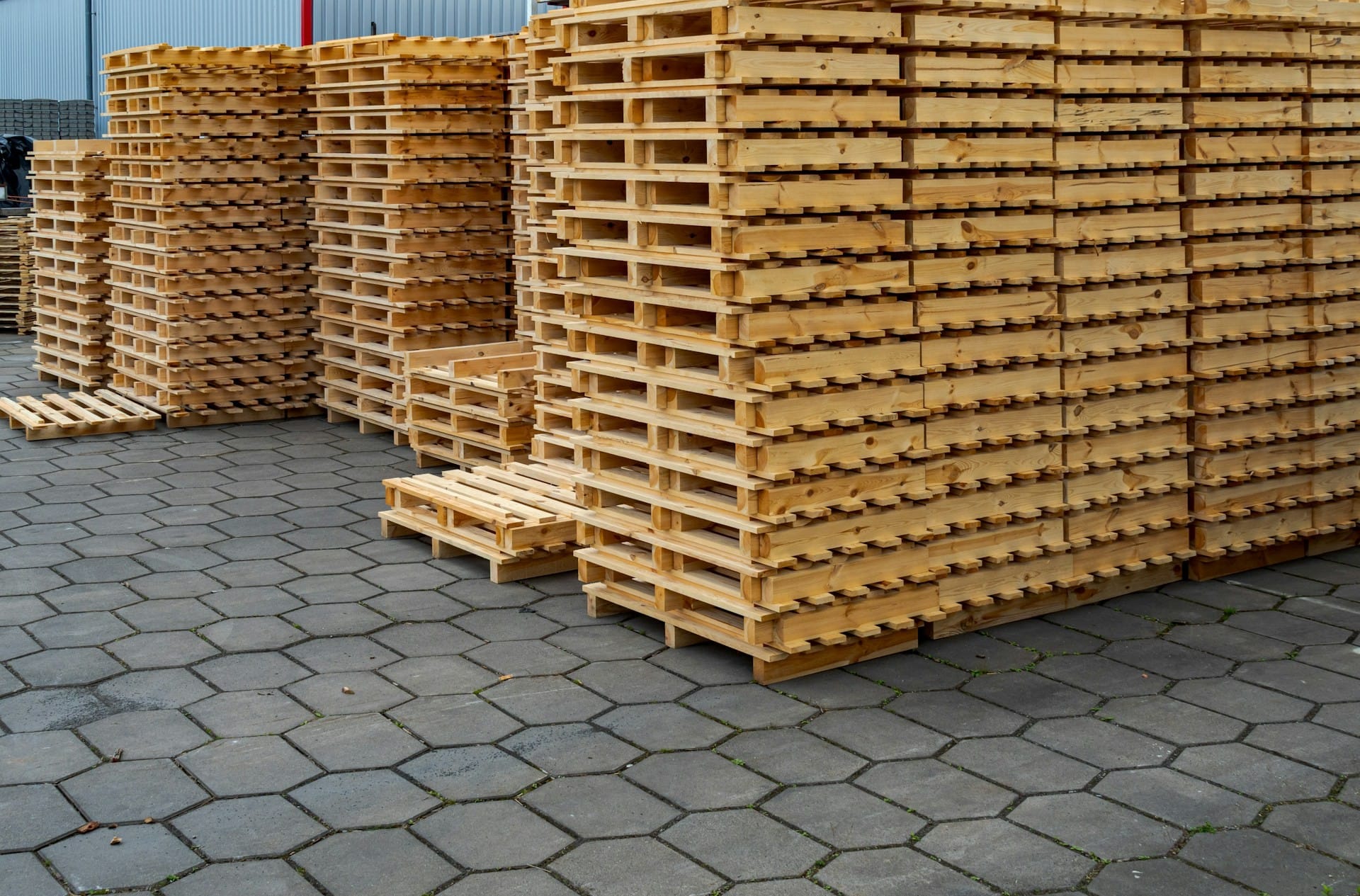
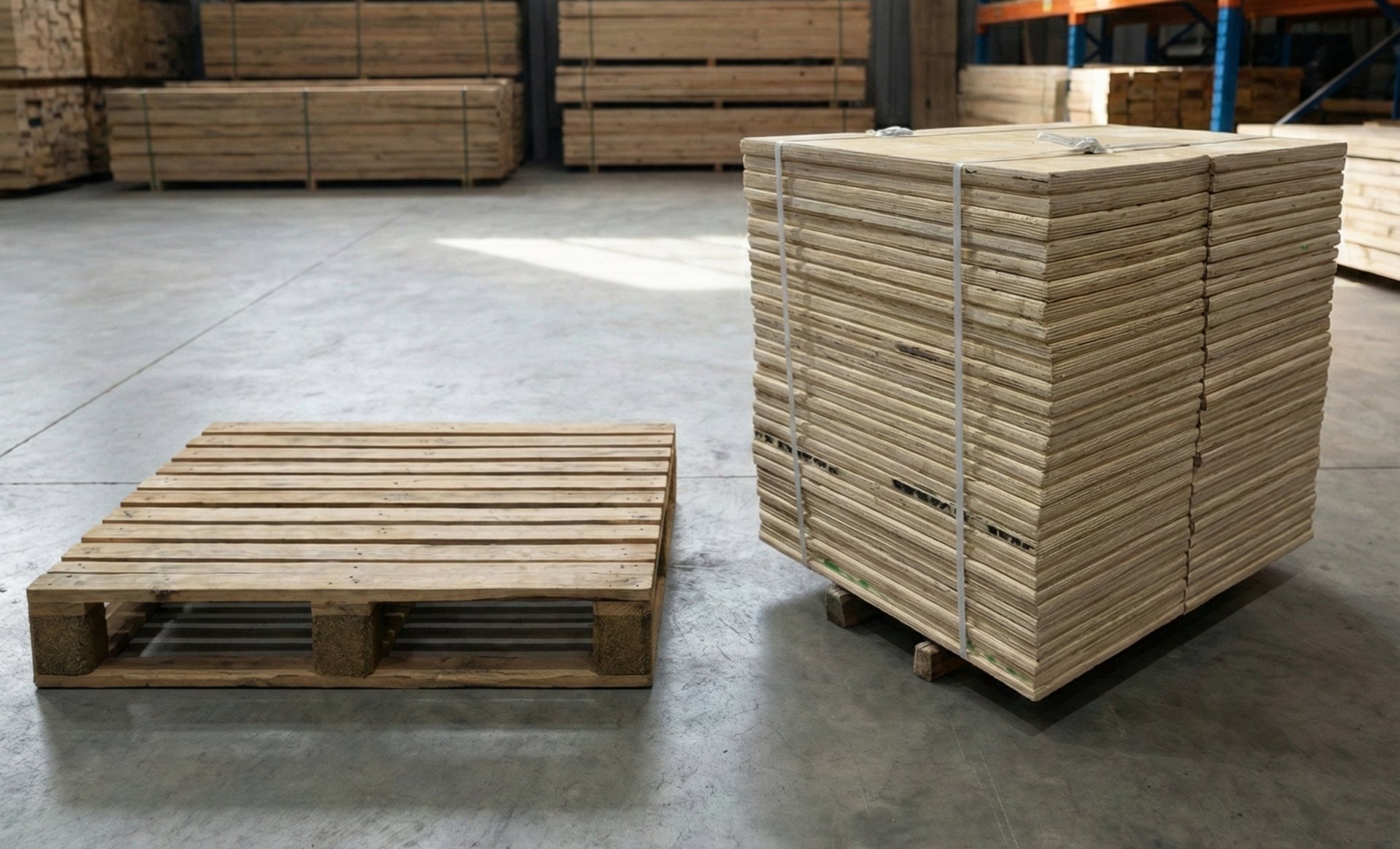
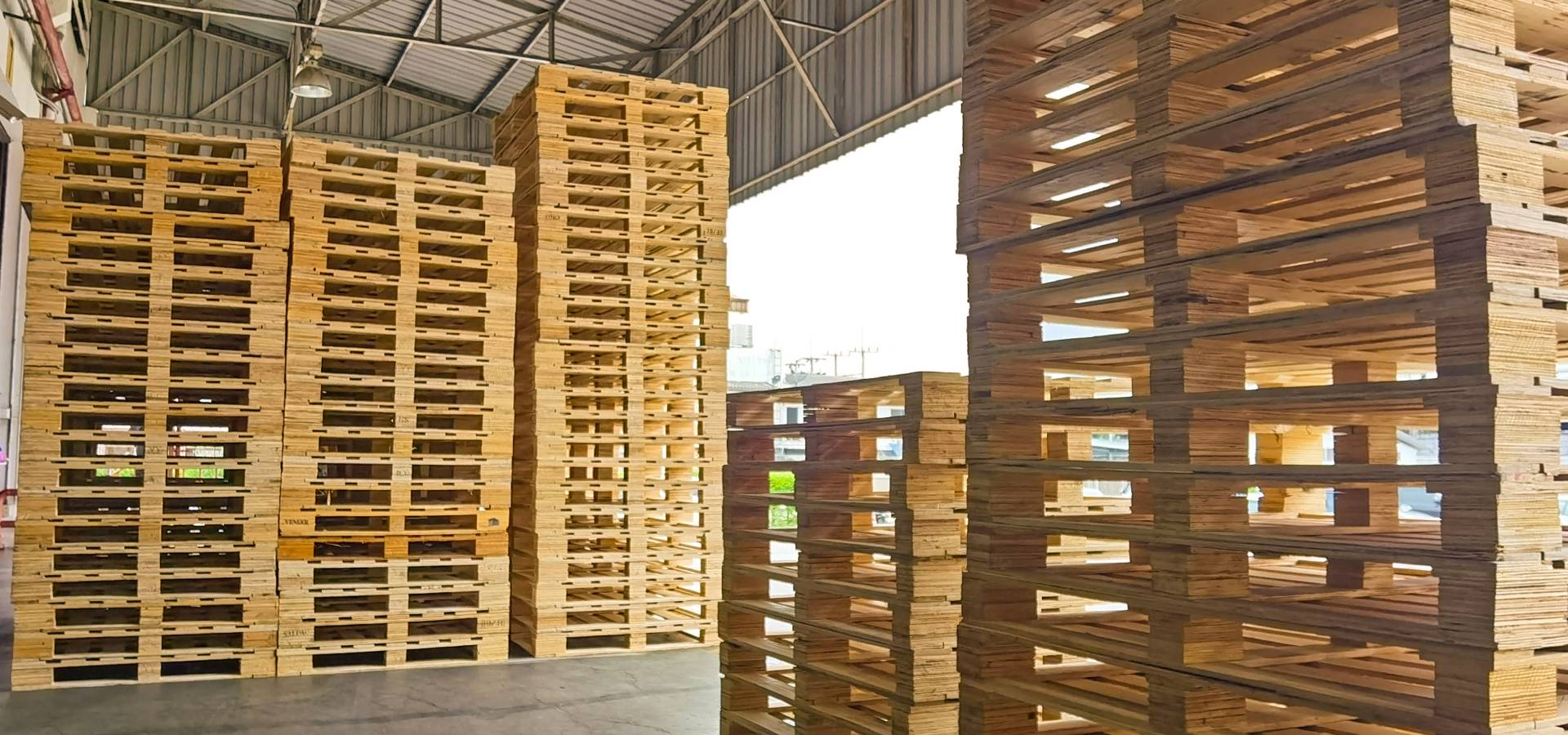
Manufacturing operations typically require robust, reusable packaging that can withstand repeated handling and transport cycles. Wooden pallets remain the backbone of manufacturing logistics, providing standardised platforms for efficient material handling and storage.
For component storage and organisation, industrial timber bins offer excellent visibility and access while protecting valuable parts from damage. Custom-sized bins can be designed to fit specific production line layouts, improving workflow efficiency and reducing handling time.
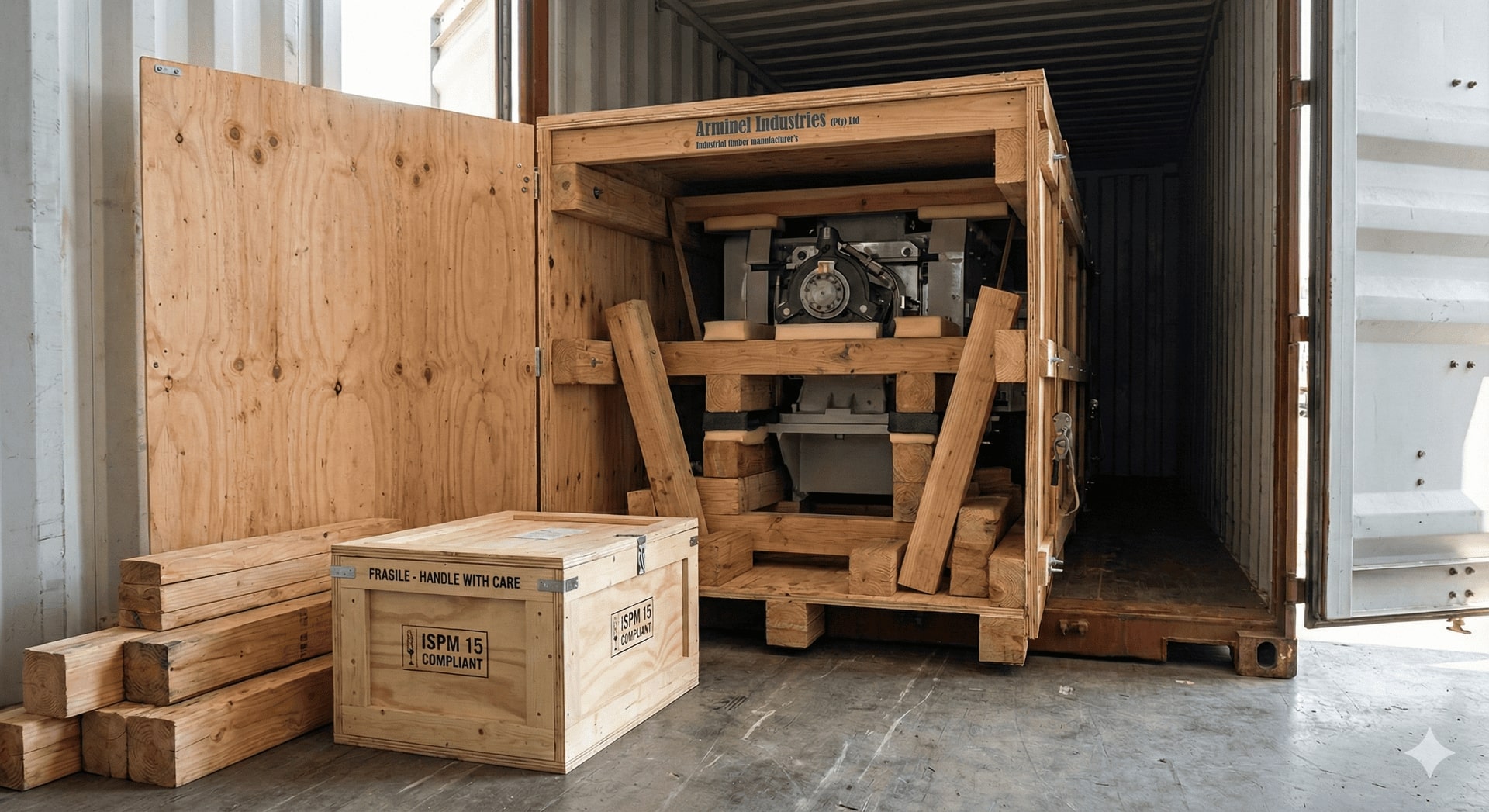
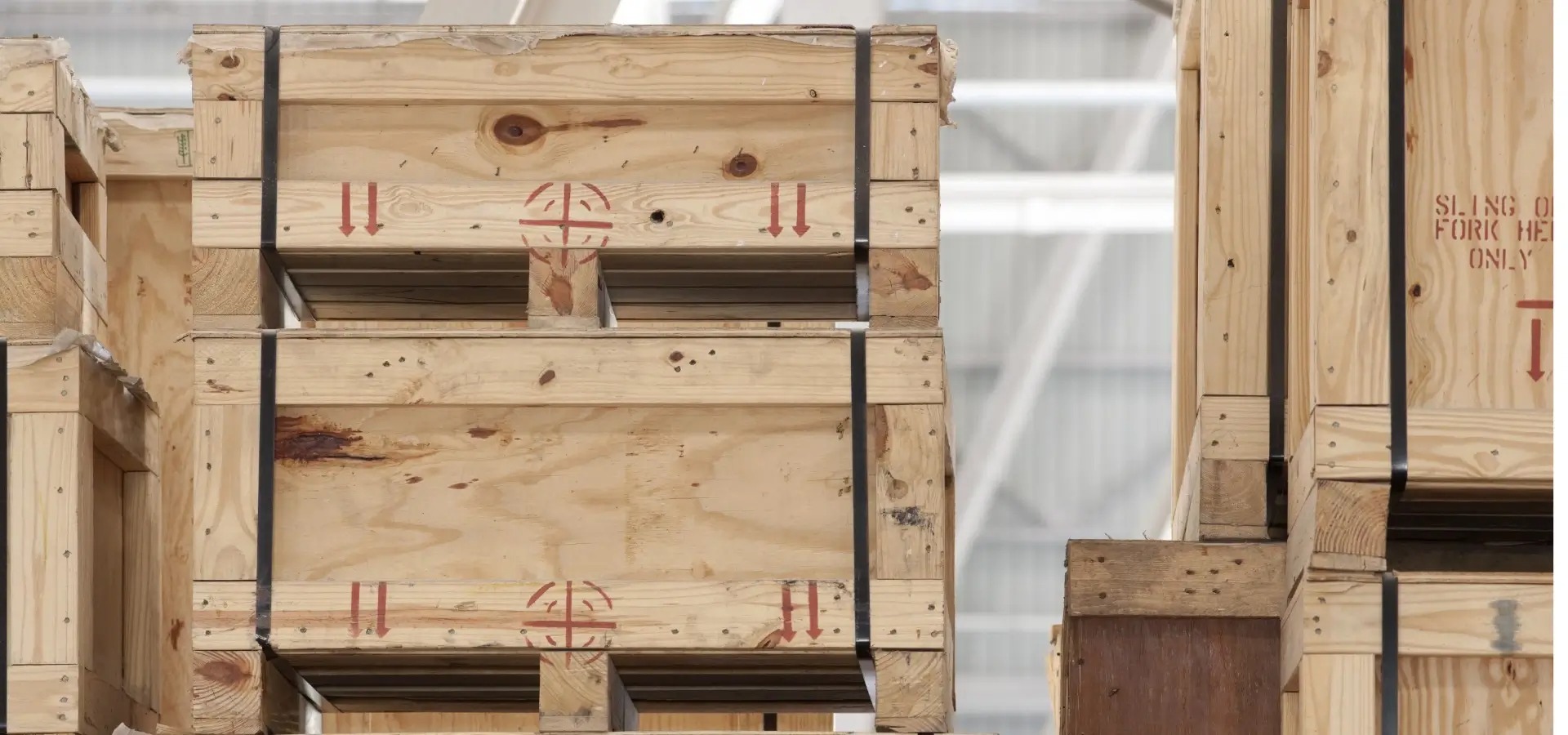
When shipping finished products or sensitive equipment, wooden crates provide superior protection compared to standard cardboard alternatives. The structural strength of timber crates makes them ideal for heavy machinery, automotive parts, and electronic equipment that require secure, shock-resistant packaging.
Agricultural & Food Processing Industries
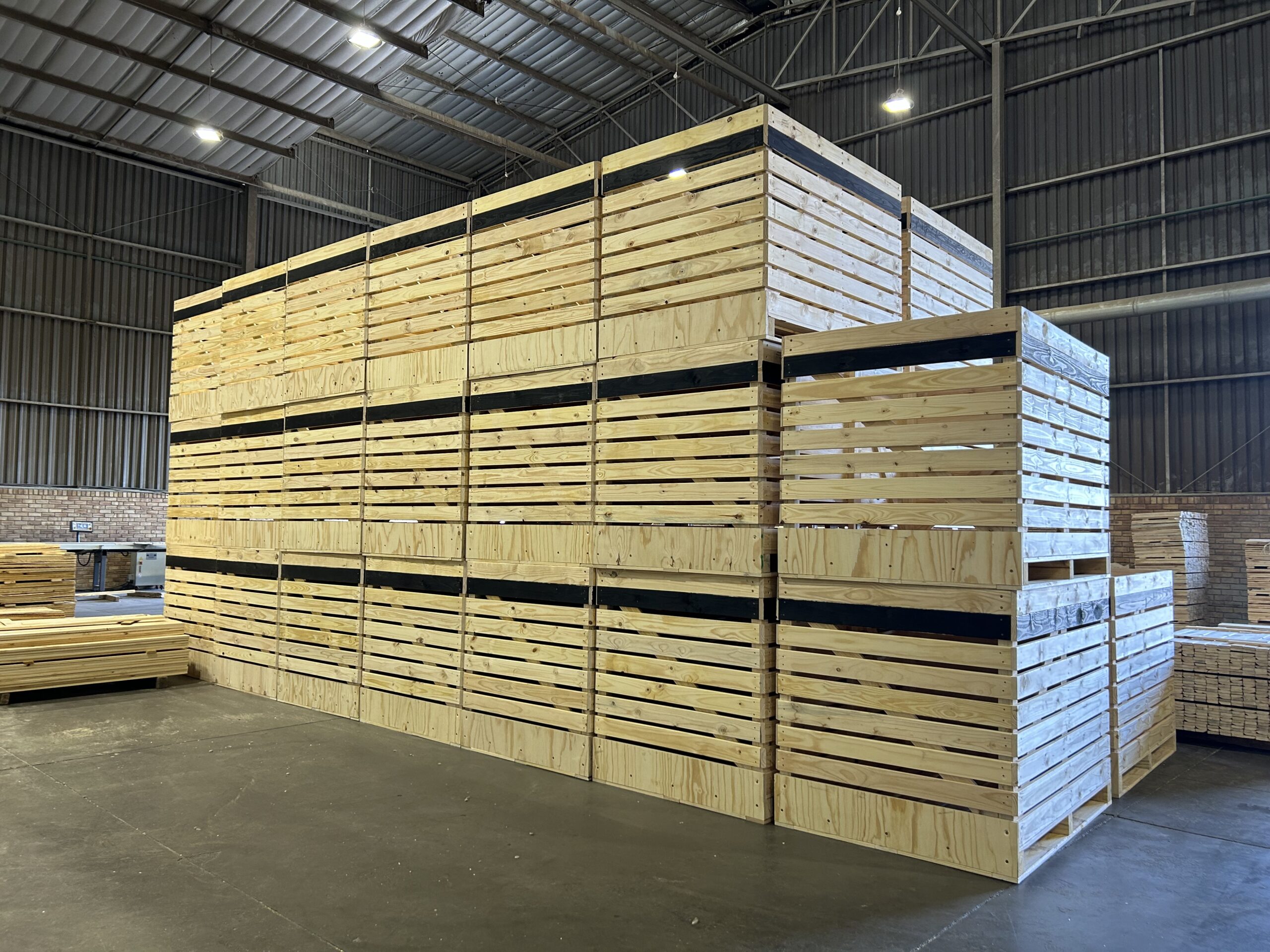
Agricultural operations have unique packaging requirements that must accommodate varying product sizes, seasonal volumes, and stringent hygiene standards. Bulk wooden bins are particularly valuable for fruit and vegetable processing, offering natural ventilation that helps maintain product freshness during storage and transport.
Food-grade treatments ensure that wooden packaging meets health and safety requirements while providing the durability needed for repeated harvesting and processing cycles. The natural properties of wood, including its ability to regulate moisture and maintain temperature stability, make timber packaging an ideal choice for agricultural applications.
For export markets, ISPM 15 certified wooden packaging ensures compliance with international phytosanitary requirements, allowing South African agricultural products to reach global markets without delays or rejections at customs.
Mining & Heavy Industry
Mining operations demand packaging solutions that can withstand extreme conditions and heavy loads. Heavy-duty timber skids provide stable platforms for mining equipment and machinery, distributing weight evenly to prevent ground damage and ensure safe transport.
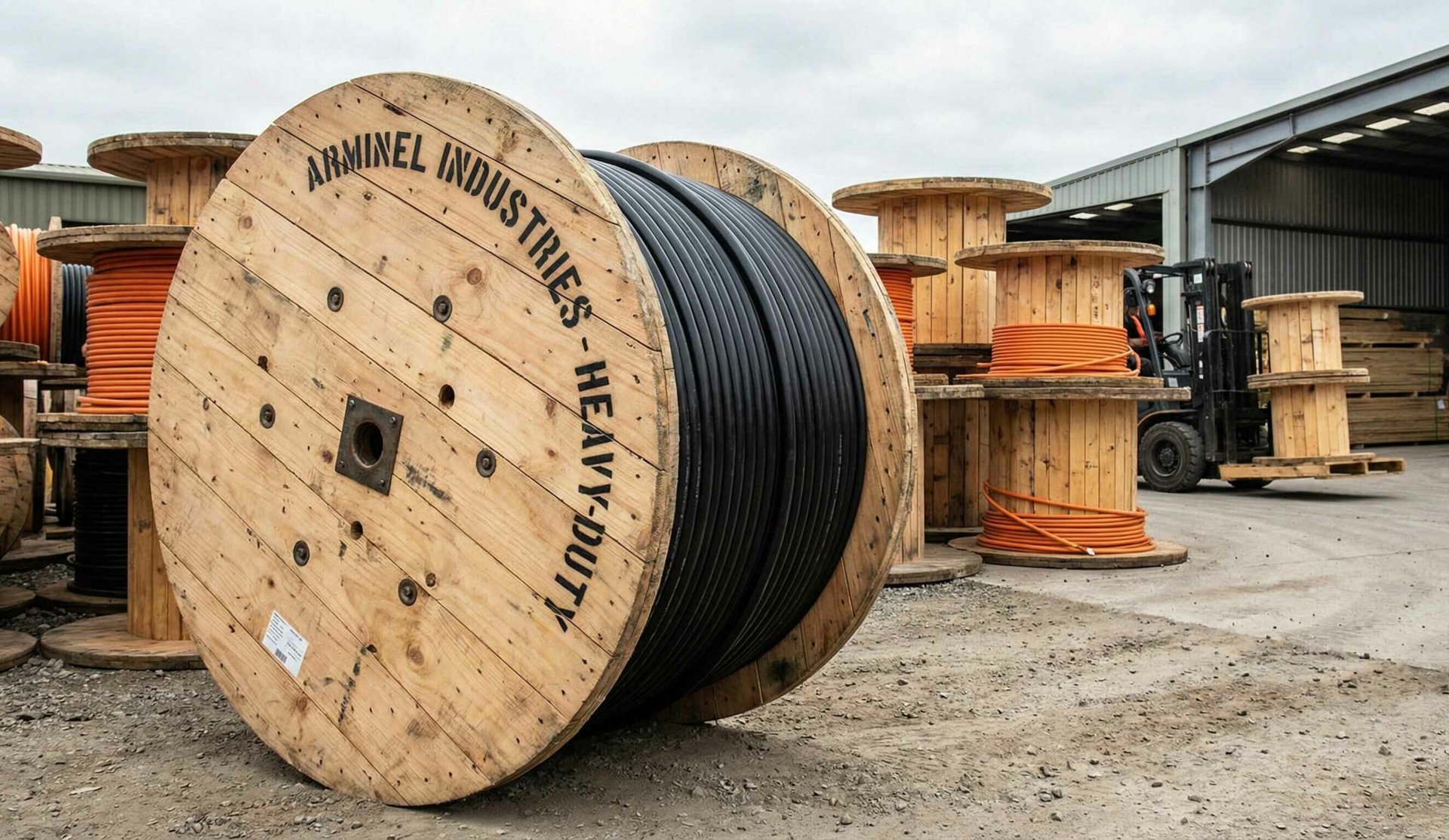
Cable drums are essential for mining operations, protecting expensive electrical cables during installation and storage in underground environments. The natural shock-absorption properties of wood help prevent cable damage that could result in costly repairs and operational downtime.
Custom wooden packaging for mining applications often includes specialised treatments for moisture resistance and enhanced durability, ensuring reliable performance in challenging environmental conditions.
Electronics & Technology Sectors
The electronics industry requires precision packaging that provides both physical protection and electrostatic discharge (ESD) protection. Custom wooden crates can be designed with integrated foam inserts and ESD-protective materials to safeguard sensitive electronic components during transport.
ALSO SEE: Timber Boxes / Wooden Decks
For international electronics shipments, ISPM 15 certified wooden packaging ensures compliance with global shipping requirements while providing superior protection compared to standard packaging alternatives. The ability to customise internal configurations makes wooden crates ideal for oddly shaped or particularly fragile electronic equipment.
Comparing Wooden Packaging Options
Wooden Pallets: The Foundation of Logistics
Best For: Standard transport, warehouse storage, manufacturing logistics
Key Benefits:
- Standardised dimensions for efficient handling
- Compatible with forklifts and material handling equipment
- Cost-effective for high-volume applications
- Available in both standard and export-certified versions
Industry Applications:
- Manufacturing component transport
- Retail distribution systems
- Agricultural product shipping
- General warehousing operations
Timber Crates: Maximum Protection
Best For: Valuable equipment, fragile items, international shipping
Key Benefits:
- Complete enclosure and protection
- Customizable internal configurations
- Superior strength for heavy items
- Professional appearance for high-value goods
Industry Applications:
- Machinery and equipment shipping
- Art and antique transport
- Electronics and precision instruments
- International export packaging
Wooden Bins: Organised Storage Solutions
Best For: Bulk materials, component organisation, agricultural storage
Key Benefits:
- Easy access and visibility
- Stackable for space efficiency
- Natural ventilation for fresh products
- Customizable sizing and features
Industry Applications:
- Agricultural produce handling
- Manufacturing component storage
- Warehouse organisation systems
- Bulk material transport
Cable Drums: Specialised Industrial Solutions
Best For: Cable storage, electrical installations, telecommunications
Key Benefits:
- Prevents cable damage during transport
- Controlled deployment and winding
- Heavy-duty construction for industrial cables
- Custom sizing for specific cable types
Industry Applications:
- Mining electrical installations
- Telecommunications infrastructure
- Industrial facility wiring
- Construction site electrical work
Material Selection Considerations
Timber Species Selection
South African Pine:
- Lightweight yet strong construction
- Cost-effective for standard applications
- Good treatment absorption for durability
- Ideal for pallets and general packaging
Eucalyptus Hardwood:
- Maximum strength and durability
- Excellent for heavy-duty applications
- Natural pest resistance properties
- Perfect for mining and industrial use
Marine Grade Plywood:
- Superior moisture resistance
- Smooth surfaces for easy cleaning
- Excellent for food-grade applications
- Ideal for export packaging requiring extended transport times
Treatment Options
Pressure Treatment:
- Deep penetration preservative protection
- Extended service life in outdoor conditions
- Pest and rot resistance
- Required for long-term storage applications
ISPM 15 Heat Treatment:
- International shipping compliance
- Eliminates pest concerns for global markets
- Required for all export packaging
- Maintains timber strength while ensuring safety
Food-Grade Treatments:
- Safe for direct food contact
- Meets health and safety requirements
- Non-toxic preservation methods
- Essential for agricultural and food processing industries
ALSO SEE: Wooden Dunnage
Cost-Effectiveness Analysis
Initial Investment vs. Long-Term Value
Wooden packaging often provides superior long-term value compared to alternative materials, despite potentially higher initial costs. The durability and reusability of timber packaging can lead to lower per-use costs throughout the packaging lifecycle.
Factors to Consider:
- Reusability: How many times can the packaging be used?
- Repair Costs: Can damaged packaging be economically repaired?
- Storage Efficiency: Does the packaging stack or nest for efficient storage?
- Disposal Costs: What are the end-of-life costs and environmental considerations?
Total Cost of Ownership
When evaluating wooden packaging options, consider the complete cost picture:
Direct Costs:
- Initial purchase price
- Transportation and logistics
- Storage space requirements
- Handling and processing time
Indirect Costs:
- Product damage prevention value
- Operational efficiency improvements
- Regulatory compliance benefits
- Customer satisfaction and reputation protection
Regulatory and Compliance Considerations
International Shipping Requirements
For businesses involved in export operations, compliance with international packaging regulations is crucial. ISPM 15 certification ensures that wooden packaging meets global phytosanitary standards, preventing delays and rejections at international borders.
Key Compliance Areas:
- Heat treatment certification
- Proper marking and documentation
- Traceability and record-keeping
- Destination-specific requirements
Industry-Specific Standards
Different industries may have specific packaging requirements that wooden solutions can address:
Food Industry: HACCP compliance and food-safe treatments
Pharmaceutical: Contamination prevention and sterile packaging options
Automotive: Specific load requirements and anti-corrosion protection
Electronics: ESD protection and shock-absorption specifications
Environmental Sustainability
Sustainable Forestry Practices
Choosing wooden packaging from suppliers committed to sustainable forestry practices ensures environmental responsibility while meeting operational needs. Look for suppliers who source timber from certified sustainable forests and employ responsible harvesting practices.
Carbon Footprint Considerations
Wood packaging typically has a lower carbon footprint compared to plastic or metal alternatives, especially when sourced locally. The carbon storage properties of wood also contribute to environmental benefits throughout the packaging lifecycle.
End-of-Life Management
Wooden packaging offers multiple end-of-life options, including reuse, recycling, and biodegradable disposal. This flexibility provides environmental advantages and may reduce disposal costs compared to non-biodegradable alternatives.
Making the Right Choice for Your Business
Assessment Framework
To select the optimal wooden packaging solution for your industry, consider these key factors:
- Product Characteristics: Size, weight, fragility, and value
- Handling Requirements: Manual vs. mechanical handling needs
- Transport Conditions: Distance, mode, and environmental exposure
- Storage Requirements: Duration, stacking, and space constraints
- Regulatory Needs: Industry standards and international compliance
- Budget Considerations: Initial cost vs. total cost of ownership
Professional Consultation Benefits
Working with experienced wooden packaging manufacturers provides access to industry expertise and custom solutions tailored to your specific requirements. Professional consultation can help identify cost-saving opportunities and ensure optimal packaging performance.
Conclusion
Selecting the right wooden packaging for your industry requires careful consideration of operational needs, product characteristics, and long-term value factors. Whether you need standard pallets for efficient logistics, custom crates for valuable equipment protection, or specialised solutions for unique applications, the key is partnering with experienced manufacturers who understand your industry’s specific challenges.
Arminel Industries’ expertise across multiple industries positions us to provide informed guidance on wooden packaging selection, helping Gauteng businesses optimise their packaging strategies for efficiency, protection, and cost-effectiveness. Our East Rand manufacturing facility enables custom solutions and responsive service to meet the diverse needs of South African industry.
Need expert guidance on wooden packaging selection for your industry?
Contact Arminel Industries today for professional consultation and custom solutions tailored to your specific requirements.