When goods move across borders, the focus is usually on the cargo itself, but what protects that cargo is just as important. From heavy machinery to fragile equipment, the role of wooden packaging in global logistics is often underestimated.
That’s where export wooden manufacturers come in. Businesses that specialise in pallets, crates, timber bins, skids, and structural wood products play a critical role in ensuring goods are transported safely, meet international regulations, and withstand long transit times, especially for companies managing exports from South Africa to global markets. Understanding what role they play, and what sets these manufacturers apart can help you avoid costly mistakes, delays, and damaged shipments.
What Does “Export Quality” Wood Really Mean?
Not all wooden products are created equal, particularly when they’re used for international shipping. “Export quality” isn’t just a label — it reflects a combination of material selection, treatment processes, and manufacturing precision.
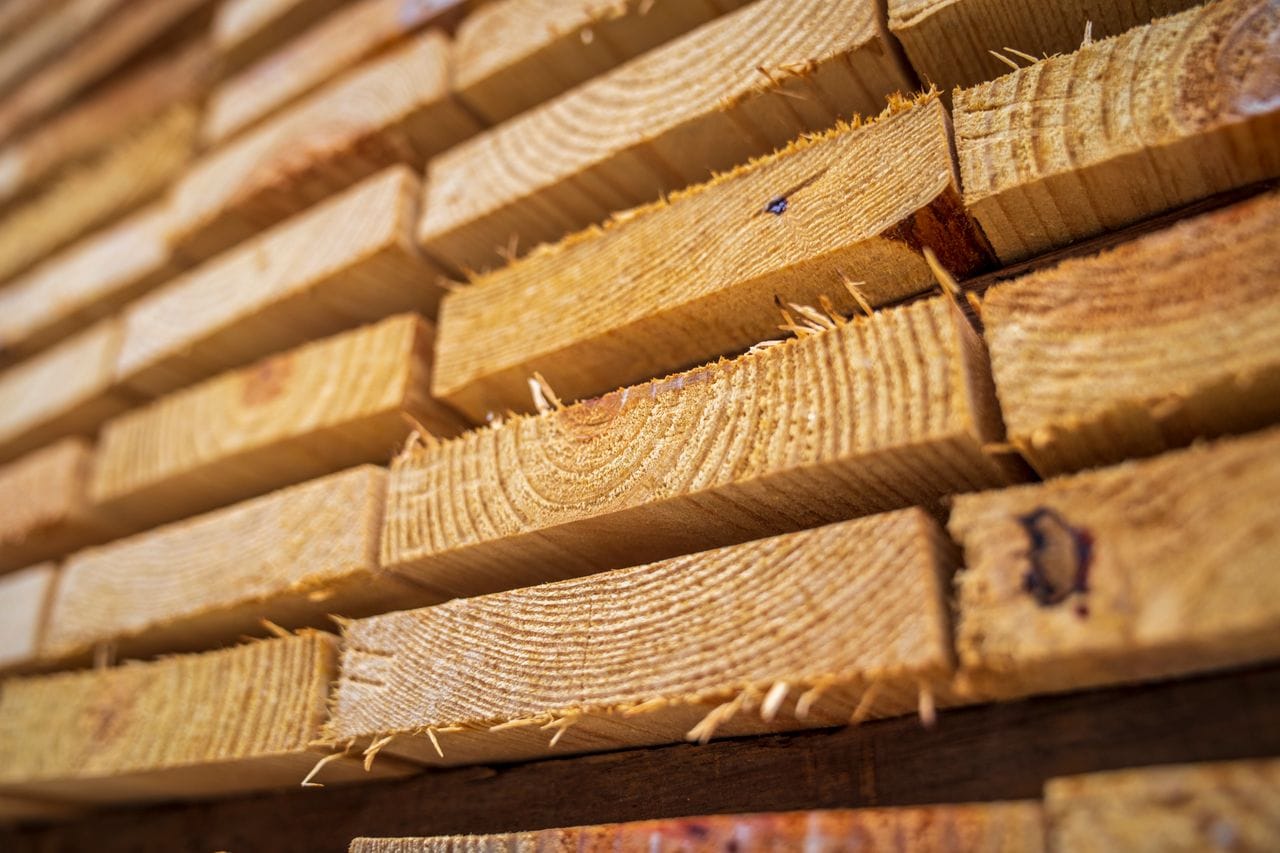
For wood packaging to be suitable for export, it needs to meet strict international standards. Moisture content must be controlled to prevent warping or mould during transit, especially during long sea freight journeys. Timber is typically kiln-dried to stabilise it before use, reducing the risk of structural failure.
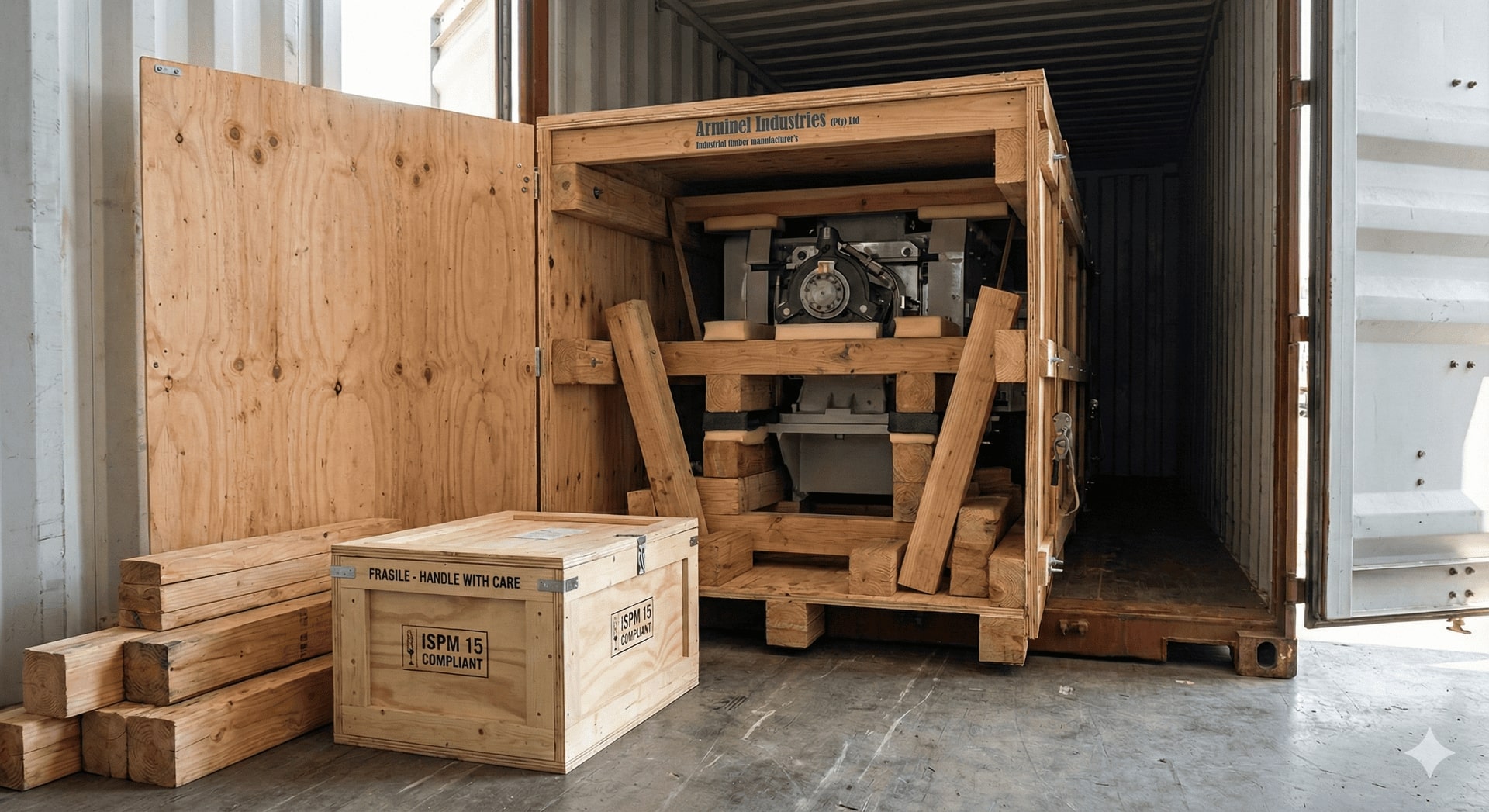
Another key factor is pest control. Untreated wood can carry insects across borders, which is why compliance with ISPM-15 regulations is essential. Manufacturers producing export-grade materials ensure their products meet these requirements, helping businesses avoid delays or penalties at customs.
Strength is equally important. Whether it’s a pallet supporting bulk goods or a crate protecting delicate cargo, the structure must handle weight, stacking pressure, and movement during transport — from warehouse to port, and beyond.
Core Products Used in Export Logistics
Manufacturers in this space typically produce a range of wooden products designed specifically for industrial use and shipping.
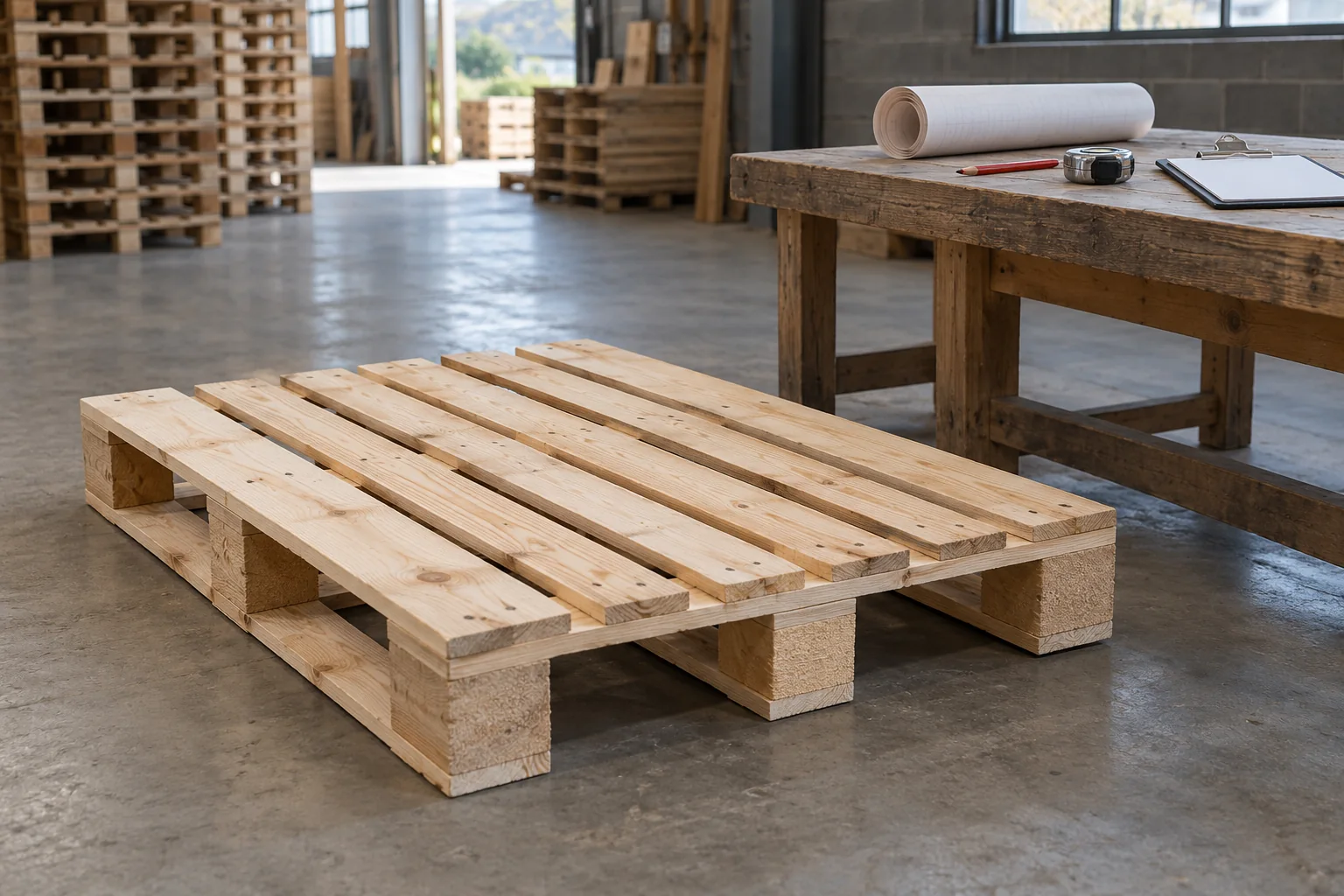
Wooden Pallets
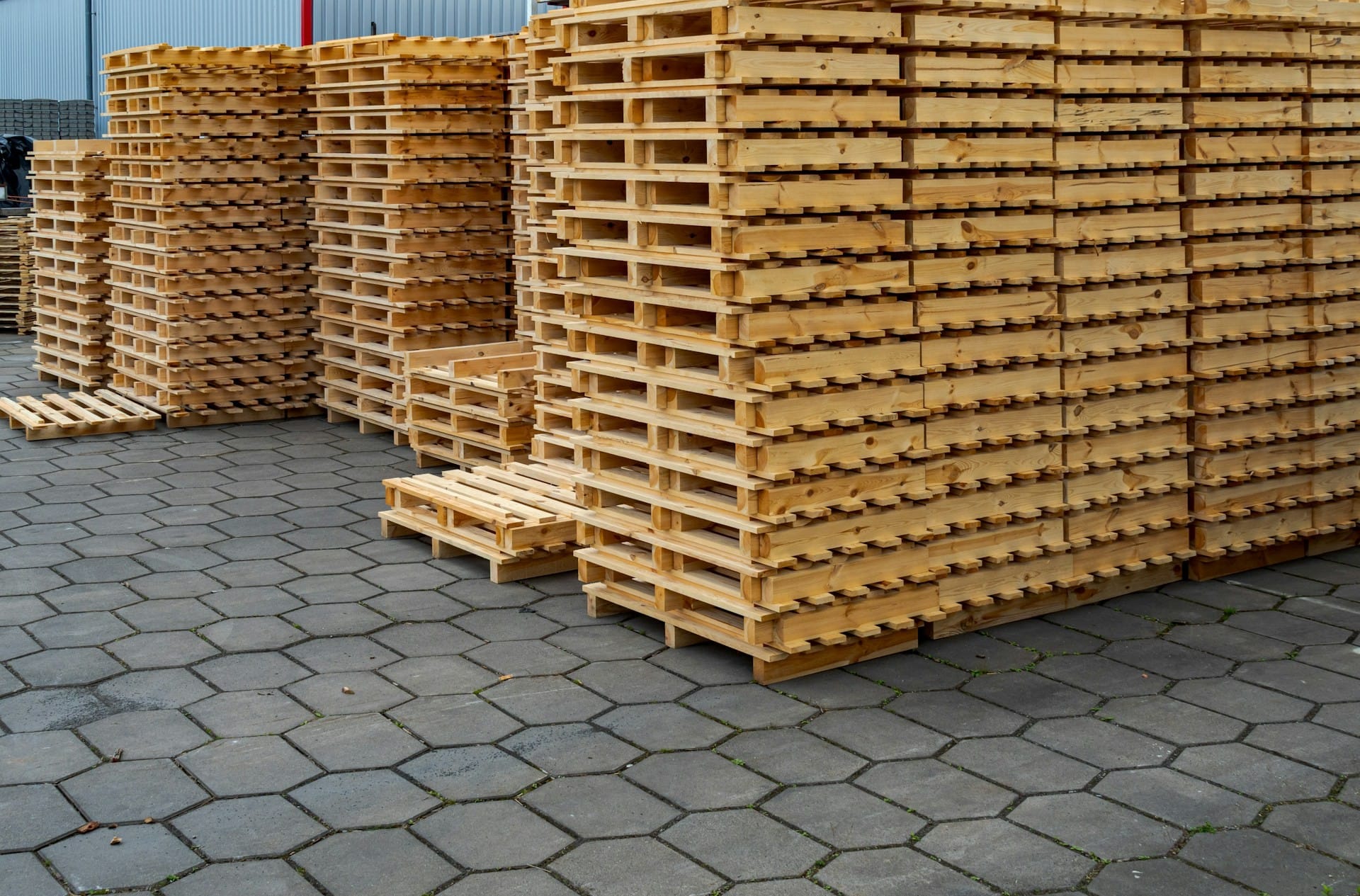
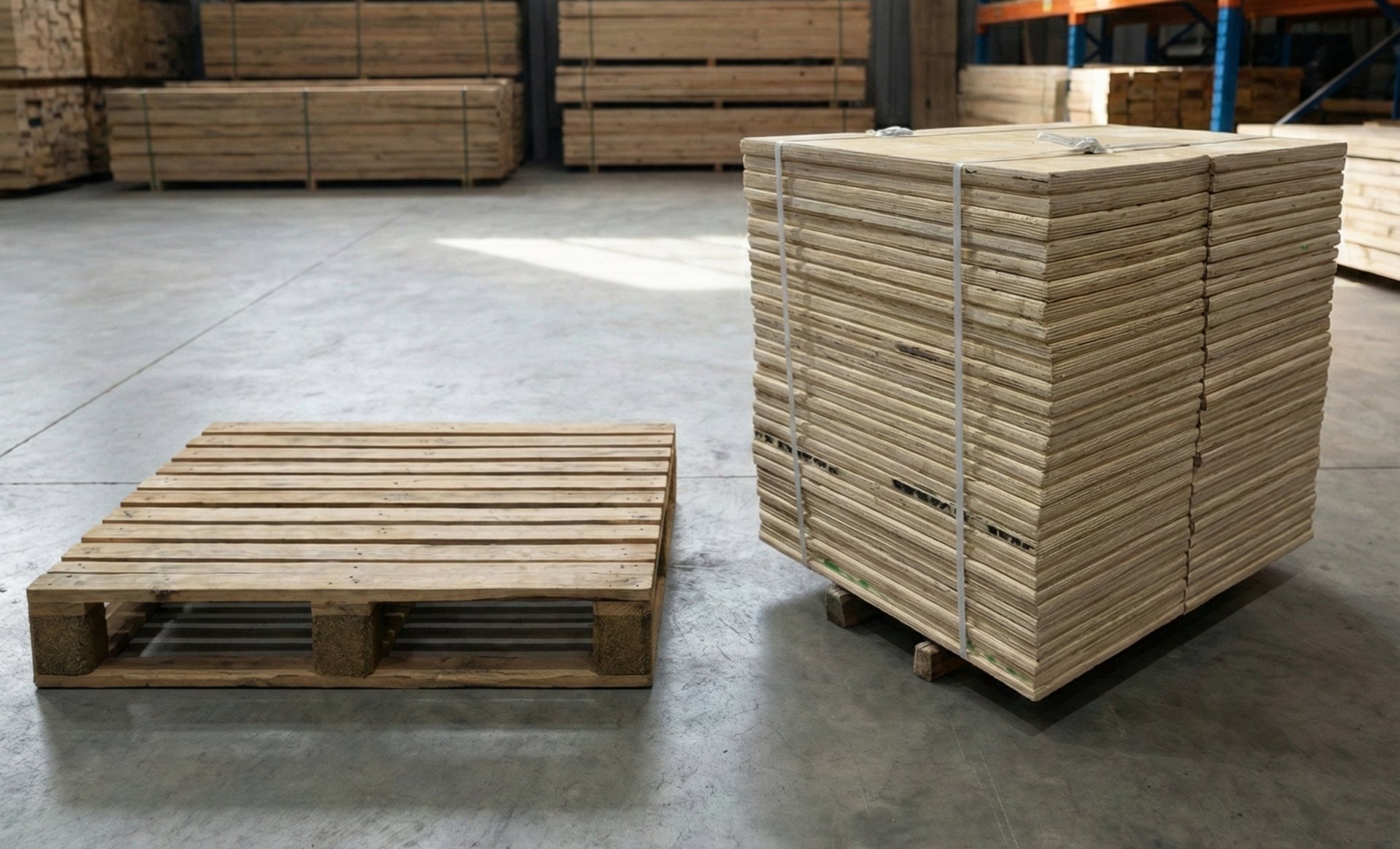
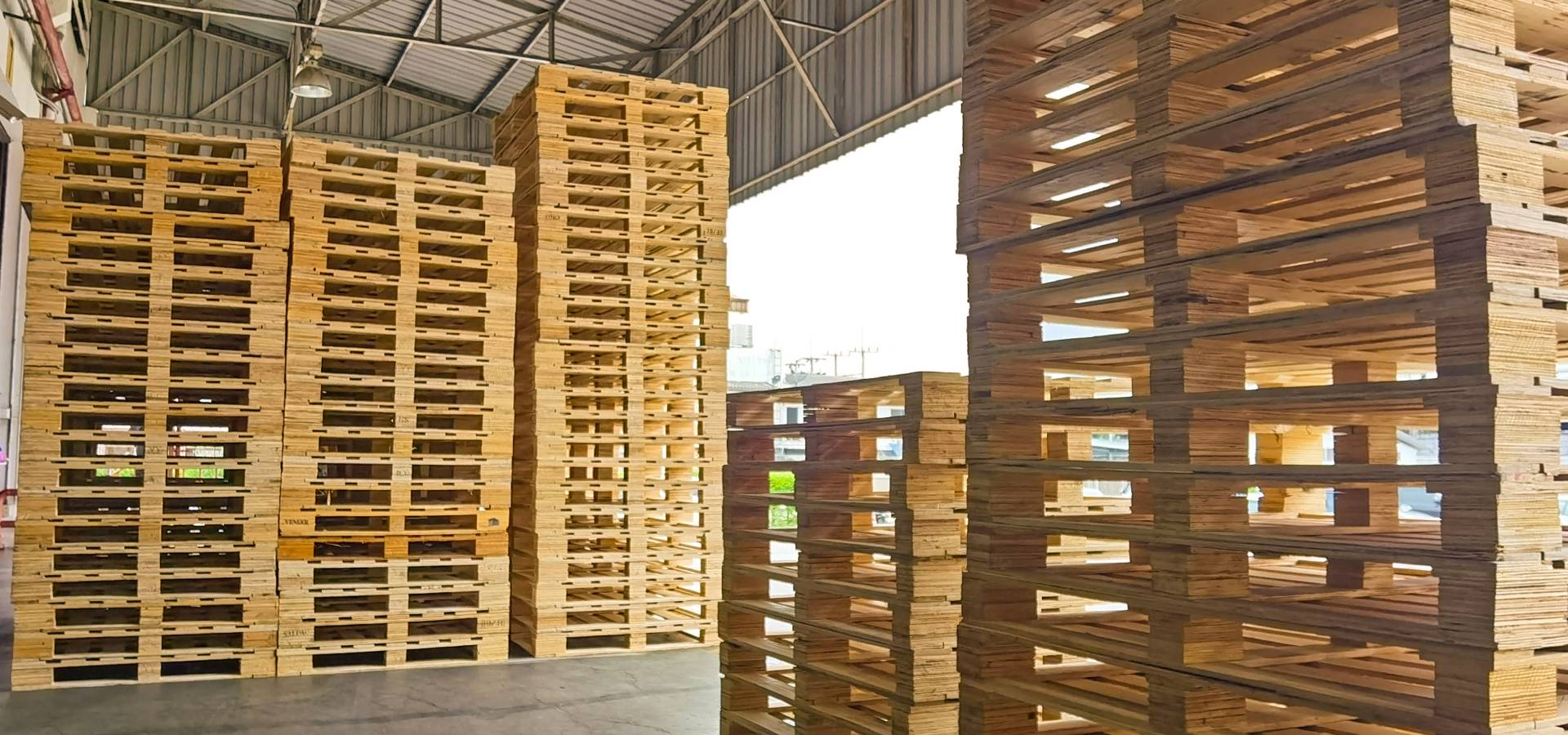
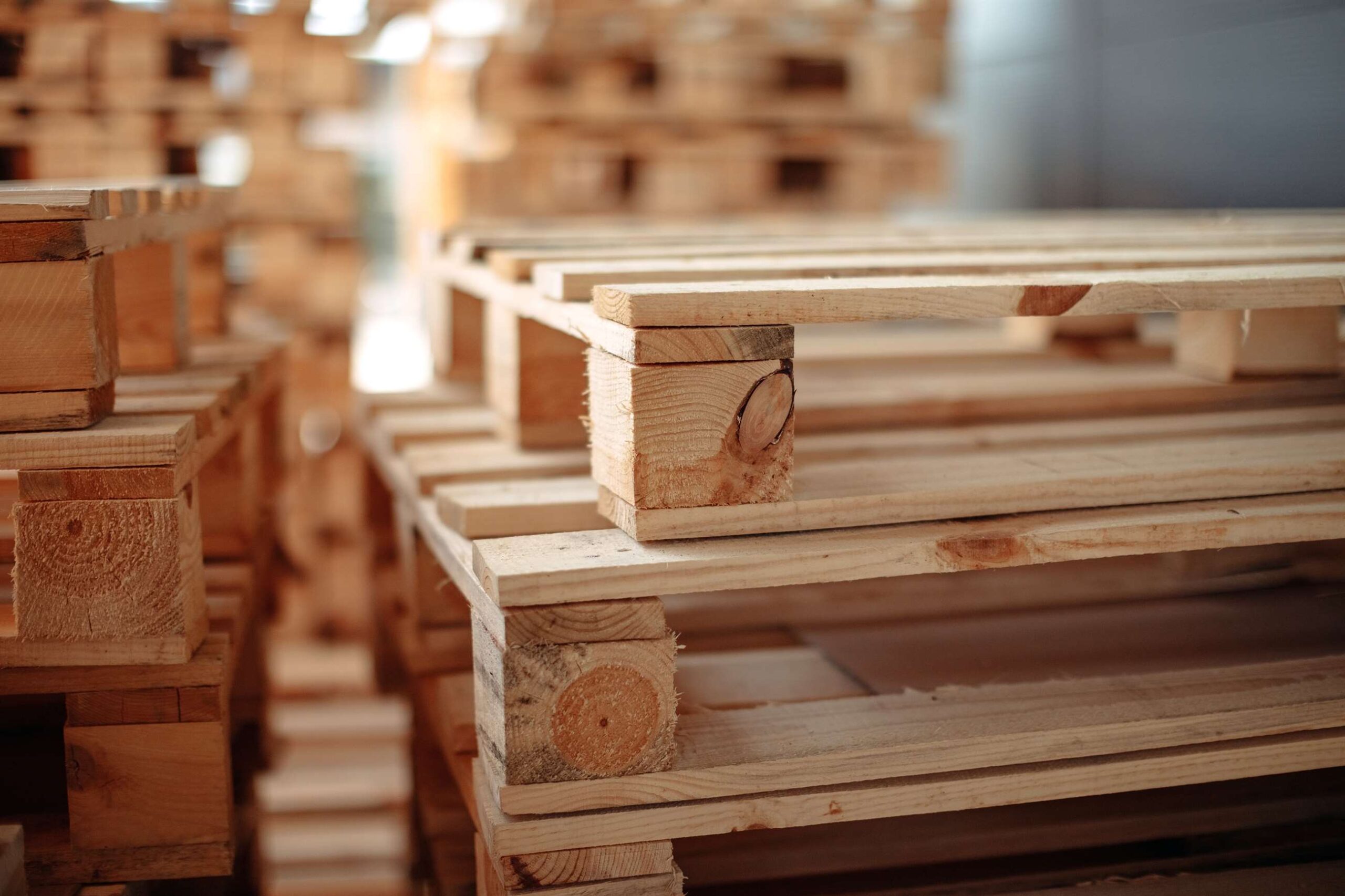
Pallets are the backbone of global logistics. They allow goods to be handled efficiently using forklifts and make stacking and storage far more manageable. Export-grade pallets are built to carry significant loads without breaking or bending, even under demanding conditions.
If you’re sourcing locally, it’s worth exploring options like premium wooden pallets from Gauteng’s leading suppliers, where durability and consistency are prioritised for industrial applications.
Timber Bins and Skids
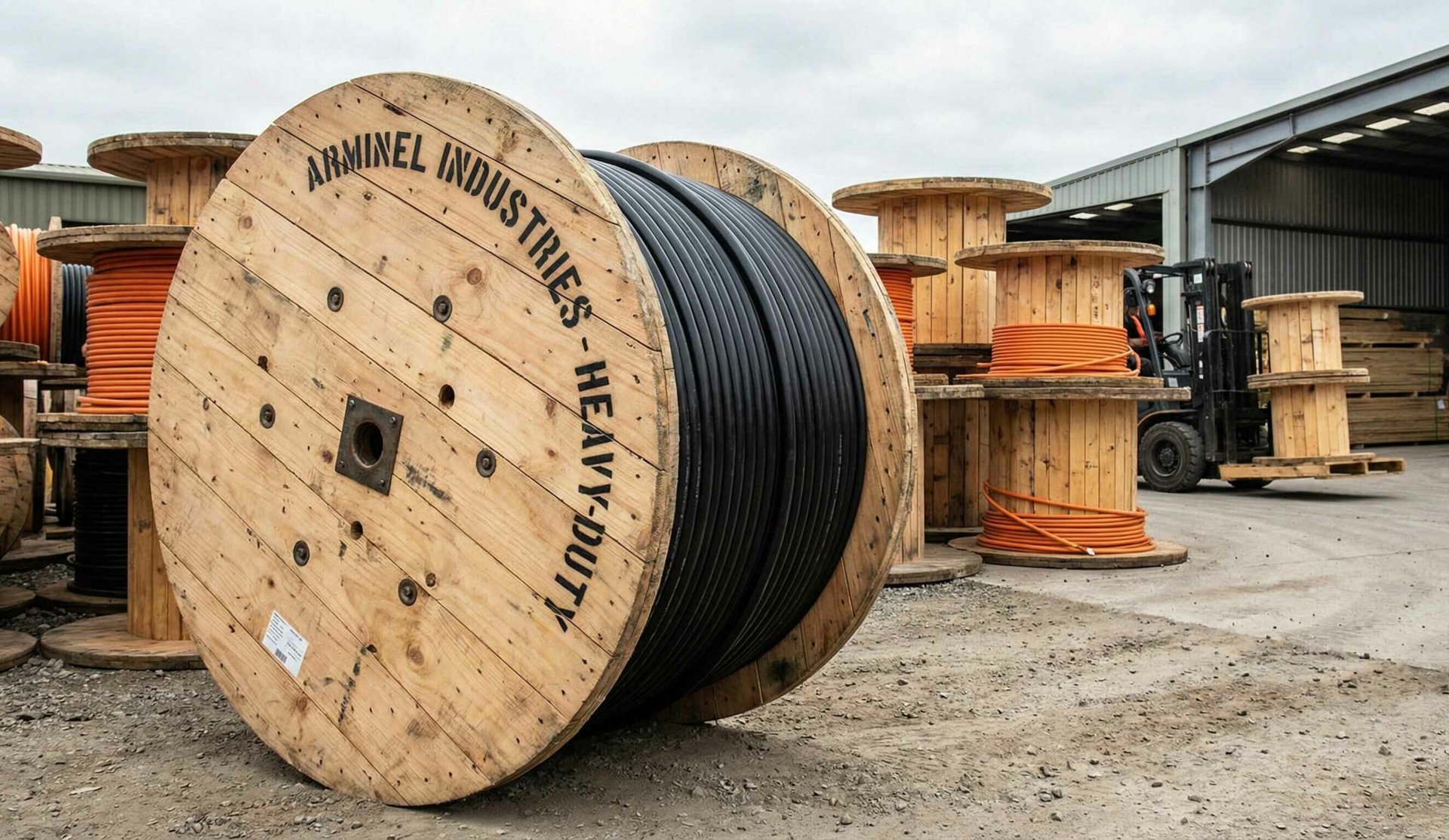
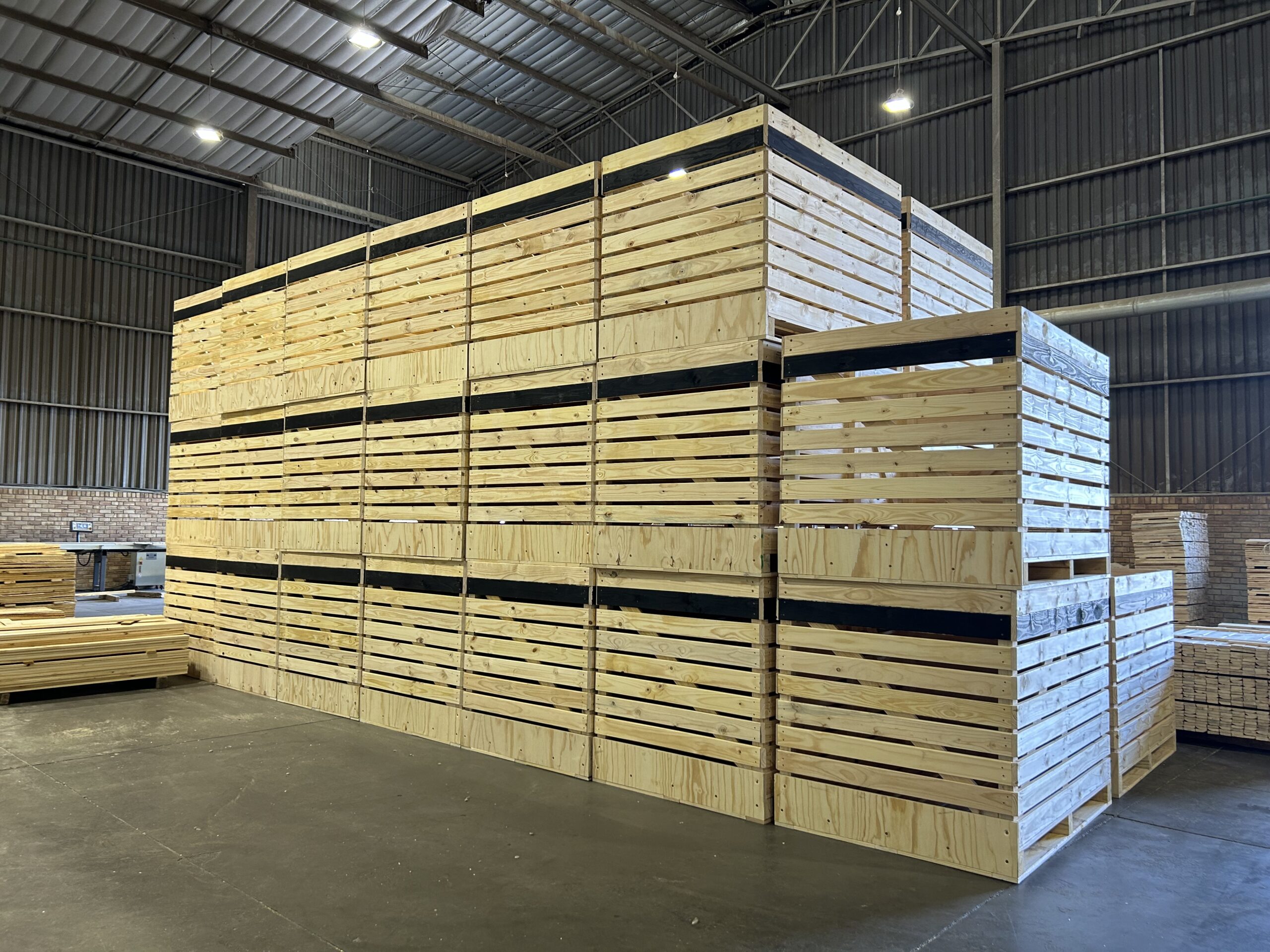
These are commonly used for bulk handling and storage across industries such as agriculture, manufacturing, and mining. Skids, in particular, provide a stable base for heavy equipment and are often preferred in environments where durability and flexibility are required.
Decking and Structural Timber
Some manufacturers also produce treated timber used in construction or infrastructure projects abroad. This type of wood must meet both structural and environmental standards, depending on the destination country.
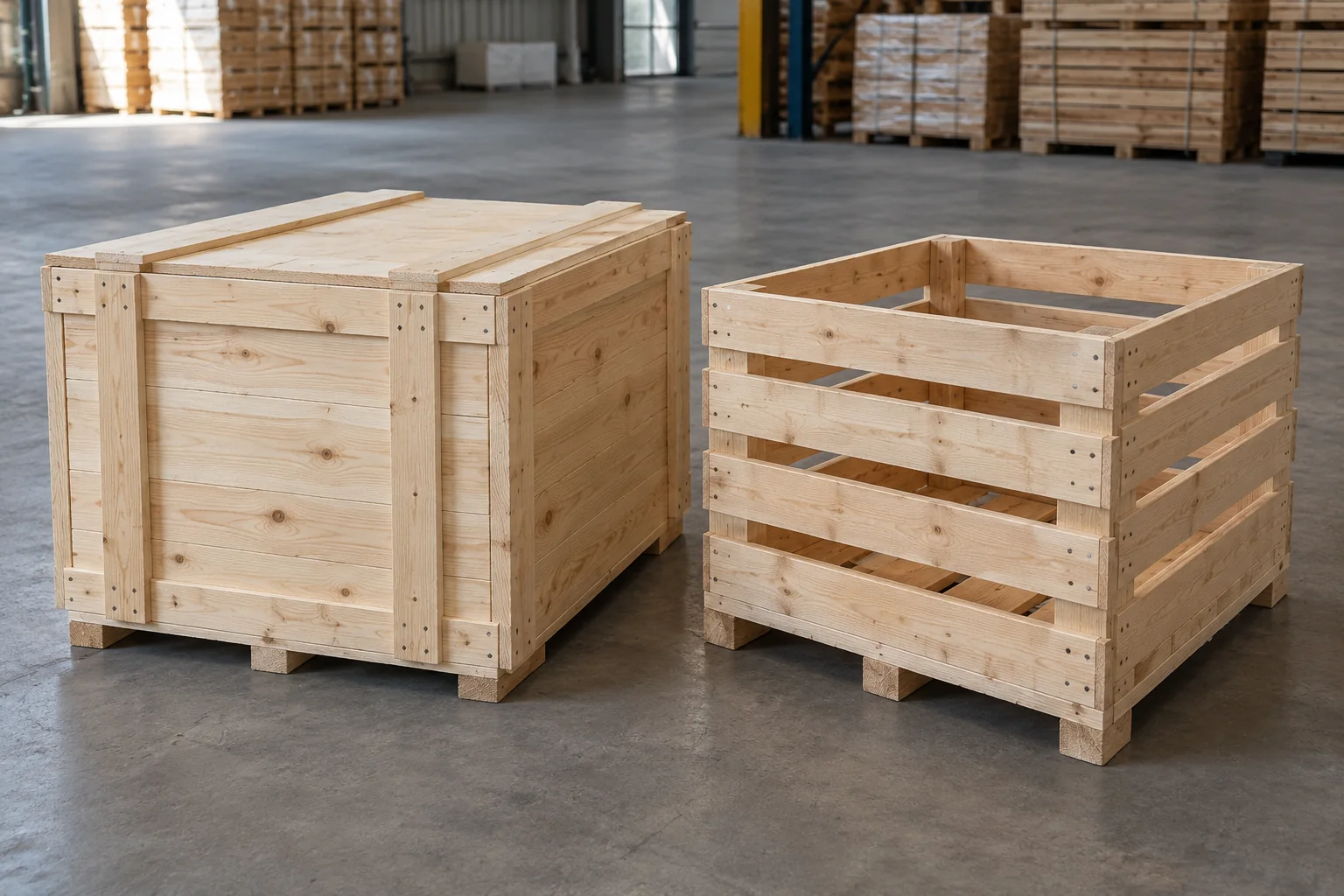
Wooden Crates and Boxes
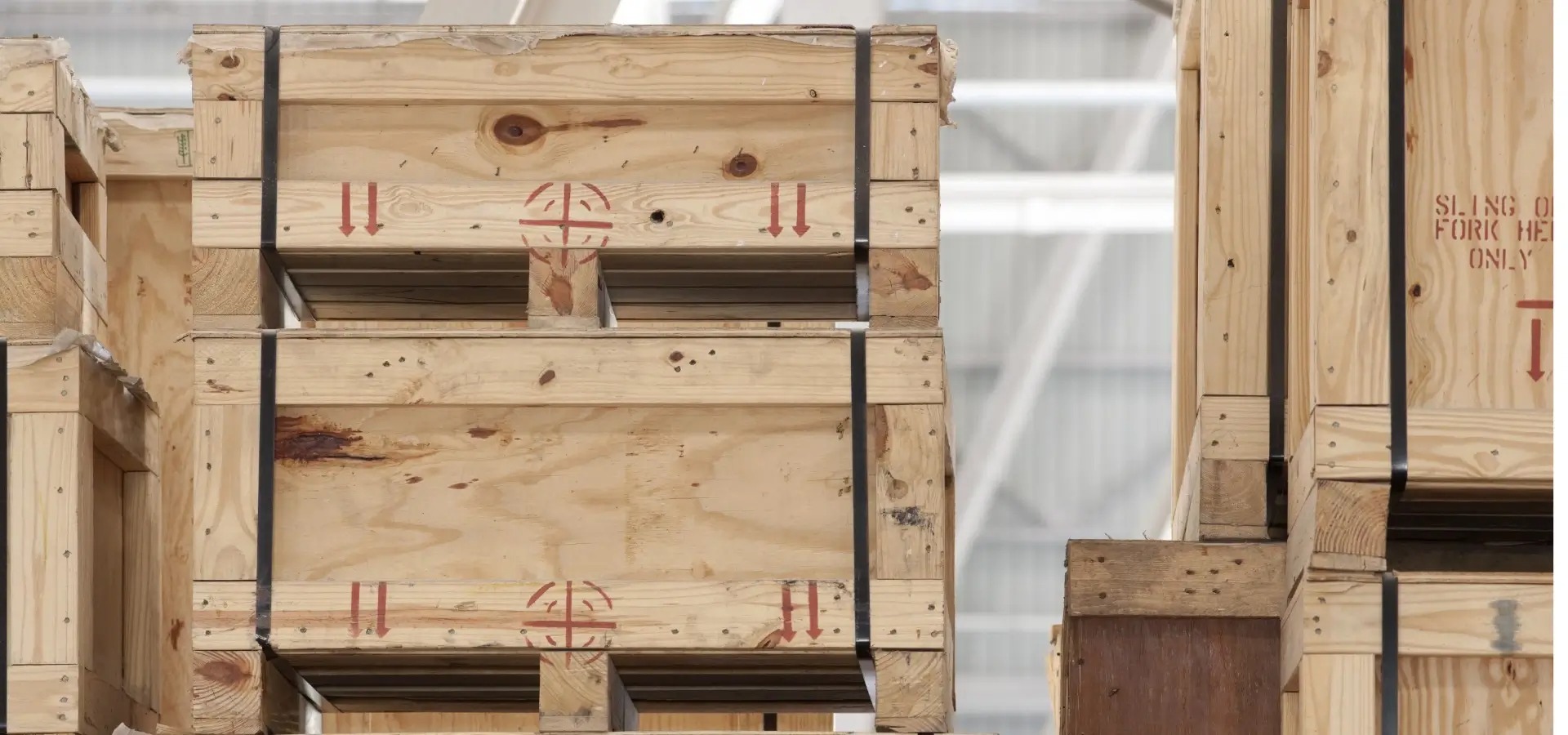
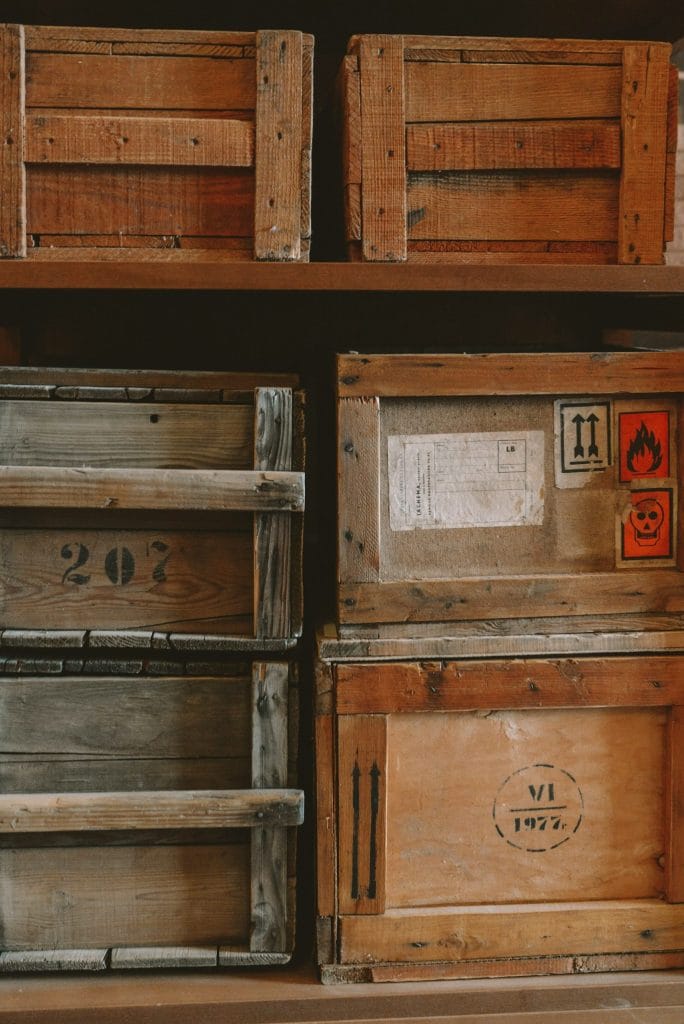
Crates and boxes offer a higher level of protection, especially for fragile or high-value items. They can be custom-built to fit specific products, reducing movement during transit and minimising the risk of damage.
For a closer look at how this works in practice, see how custom wooden crates protect valuable cargo during transit, which breaks down the design considerations involved.
Key Features of a Reliable Manufacturer
Choosing the right supplier involves more than comparing prices. A few core qualities tend to separate dependable manufacturers from the rest.
Consistent material quality is essential. Reliable suppliers use properly graded timber and maintain strict sourcing standards, which directly affects durability and performance.
Treatment and compliance processes should be clearly documented. Manufacturers working with timber packaging for export South Africa must meet international requirements, and transparency here is critical.
Manufacturing precision also matters. Poorly assembled pallets or crates can fail under pressure, even if the raw materials are good. Attention to detail in cutting, fastening, and finishing makes a noticeable difference.
Capacity and scalability become important for businesses shipping in volume. A supplier should be able to handle bulk orders without compromising on quality or turnaround times.
Lastly, experience in export environments can save time and frustration. Manufacturers who understand port logistics, documentation requirements, and shipping conditions are far better equipped to support long-distance trade.
International Shipping Solutions with Wooden Products
One of the biggest advantages of working with experienced export quality wooden manufacturers is their understanding of how products move through the global supply chain.
Export-Ready Packaging
Packaging isn’t just about containment — it’s about protection. Crates and pallets are often reinforced to absorb shocks, prevent shifting, and handle long transit periods, particularly for sea freight exports leaving South African ports.
Compliance with Global Regulations
Shipping delays are often caused by compliance issues rather than logistics. Wooden packaging must meet international standards, particularly when it comes to pest treatment and certification.
Manufacturers specialising in export packaging typically build these requirements into their processes, helping reduce the risk of customs complications and rejected shipments.
Container Optimisation
Efficient packing can significantly reduce shipping costs. By designing pallets and crates to align with standard container dimensions, manufacturers help maximise space and minimise wasted volume.
For exporters managing large shipments, this can have a meaningful impact on overall logistics costs.
Protection Against Environmental Factors
Shipping conditions can vary widely. Goods may be exposed to humidity, temperature fluctuations, and extended transit times at sea. Properly treated wood helps maintain structural integrity and protect cargo throughout the journey.
Ventilation and moisture control can also be incorporated into crate designs when required.
Logistics Awareness
Some manufacturers go beyond production and offer practical insight into logistics planning. Whether it’s advising on packaging configurations or working alongside freight partners, this level of support can streamline operations and reduce risk.
Certifications and Standards to Look For
Certifications play a key role in verifying quality and compliance.
ISPM-15 remains one of the most important standards for wood used in international shipping. Without it, shipments risk delays, rejection, or destruction at border control points.
Sustainability is also becoming more relevant. Certifications such as FSC indicate responsible sourcing practices, which can be important for companies with environmental commitments.
Moisture content standards should not be overlooked either, as improperly treated wood can lead to damage during transit.
Common Mistakes to Avoid
A few common missteps can lead to unnecessary costs or complications.
Choosing a supplier based purely on price often results in lower-quality materials or inconsistent production. While cost matters, reliability should always be a priority.
Skipping sample checks can also be risky. Reviewing a product before placing a large order helps identify potential issues early.
It’s equally important not to overlook compliance. Even well-built packaging can cause problems if it doesn’t meet international standards.
Ensure Quality and Compliance in Export Packaging
Working with the right manufacturer can make a significant difference to how smoothly goods move across borders. From material selection to packaging design, every detail plays a role in protecting cargo and avoiding delays.
Businesses that partner with experienced, export-focused suppliers in South Africa benefit from packaging that is not only compliant, but also designed to handle the realities of global shipping. In an environment where reliability matters, choosing quality from the outset is often the most practical and cost-effective decision.