In the logistics industry, the terms “pallet” and “skid” are often used interchangeably. You might hear a warehouse manager say, “Put that skid on the truck,” when they actually mean a pallet.
While they serve the same basic function, providing a platform for goods to be lifted by a forklift, they are structurally different. Choosing the wrong one can lead to racking issues, transport instability, or unnecessary packaging costs.
At Arminel Industries, we manufacture both standard wooden pallets and custom timber skids for clients across Gauteng. Here is a breakdown of the differences to help you decide which platform is right for your cargo.
1. The Structural Difference: It’s All About the Bottom Deck
The quickest way to tell the difference is to flip them over (or just look underneath).
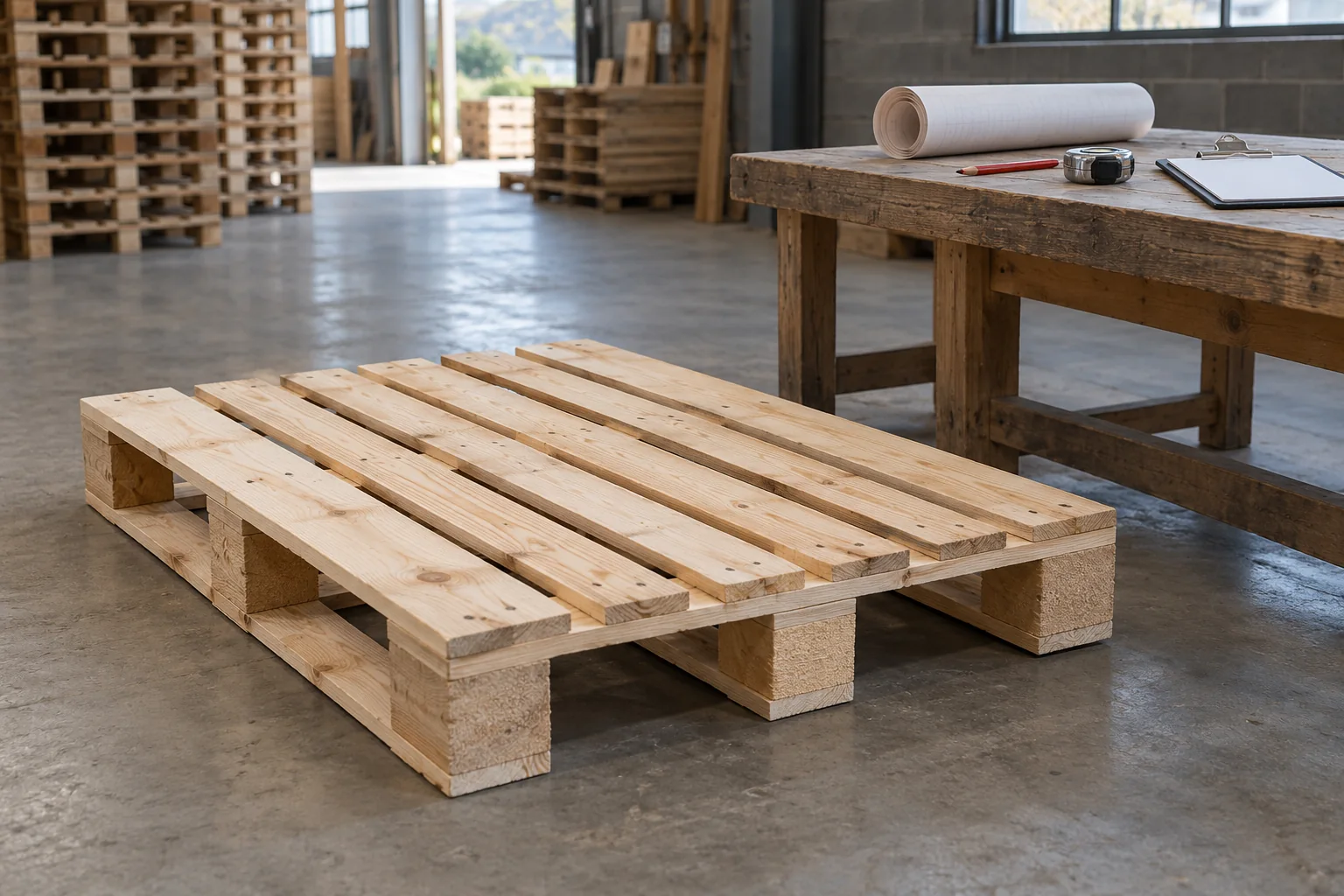
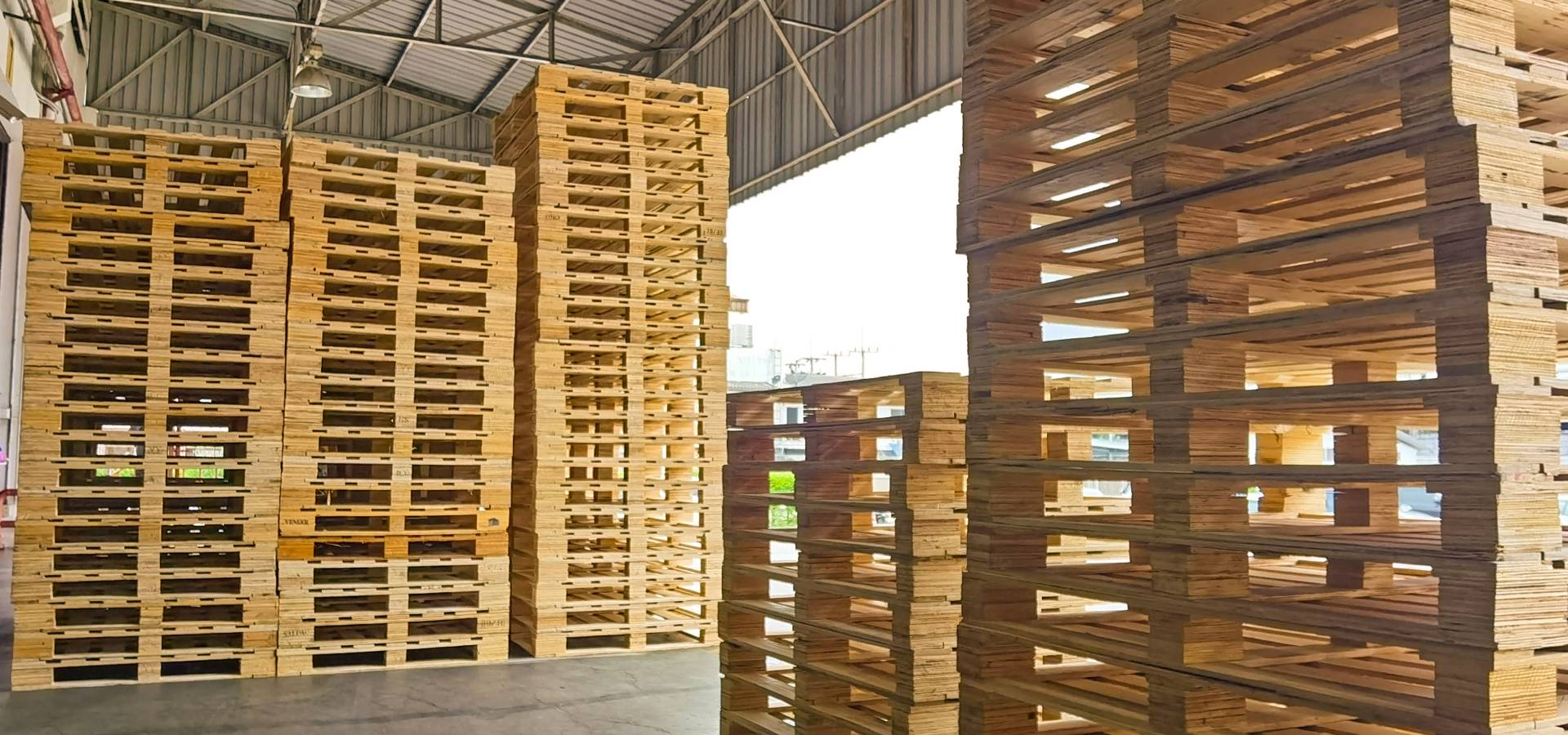
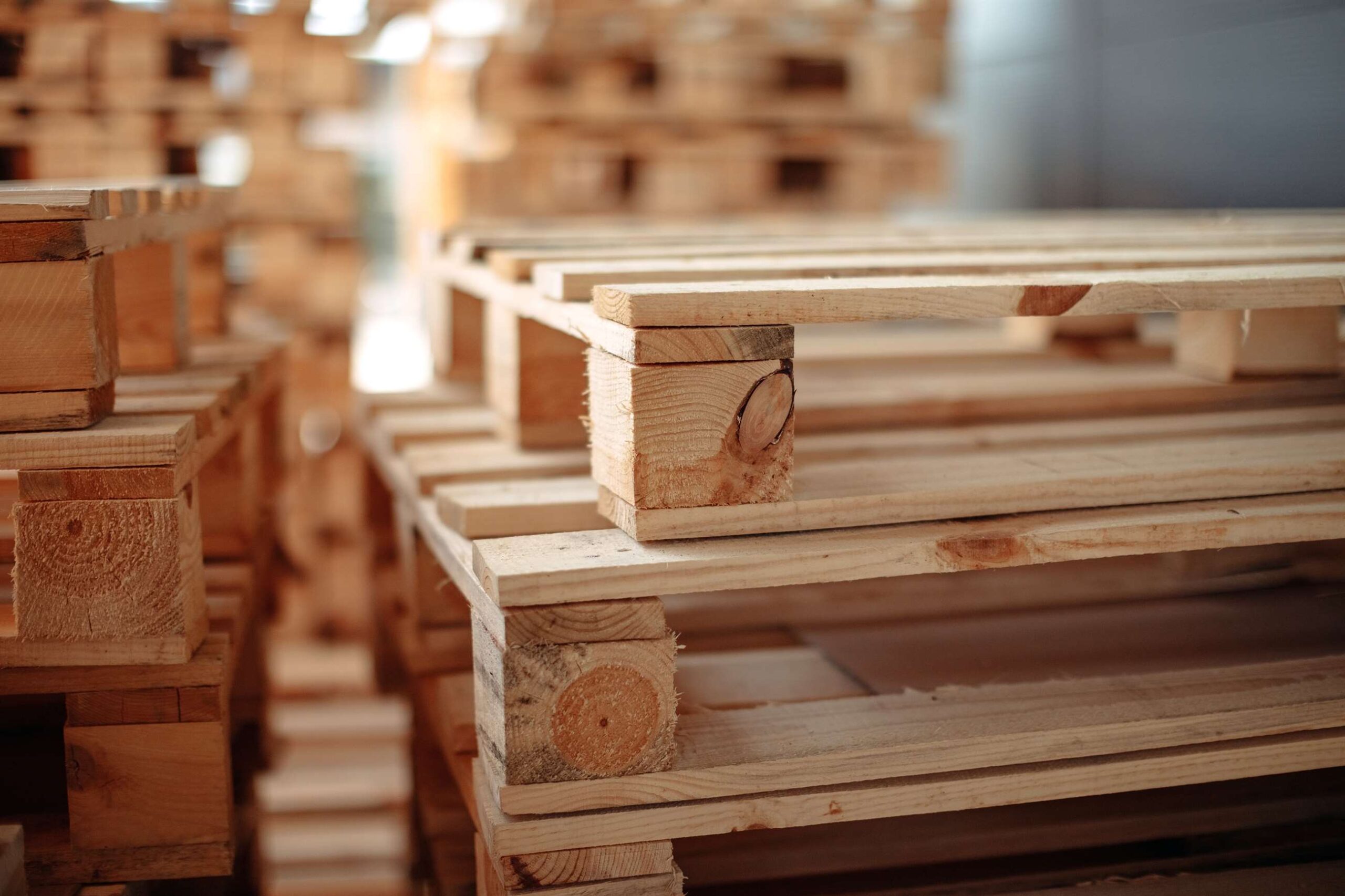
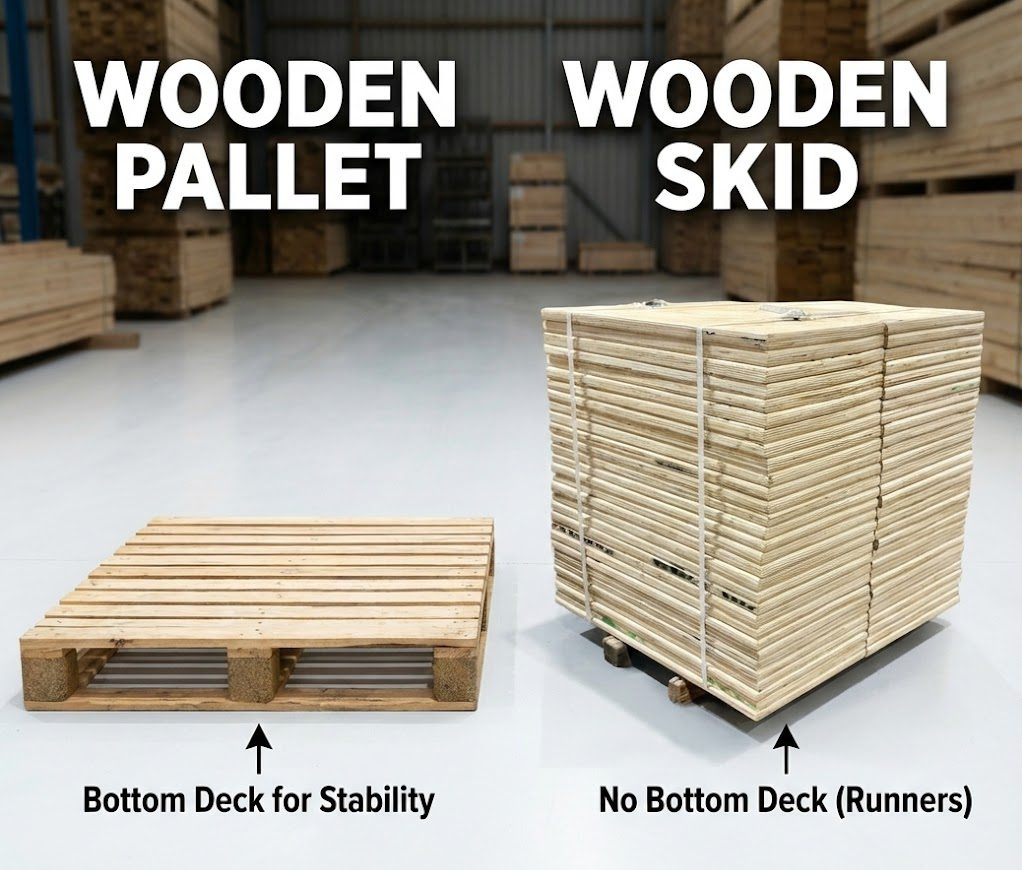
The Pallet: A pallet has both a top deck (where the goods sit) and a bottom deck. The bottom deck gives the pallet stability and allows it to rest evenly on top of other pallets or on warehouse racking beams.
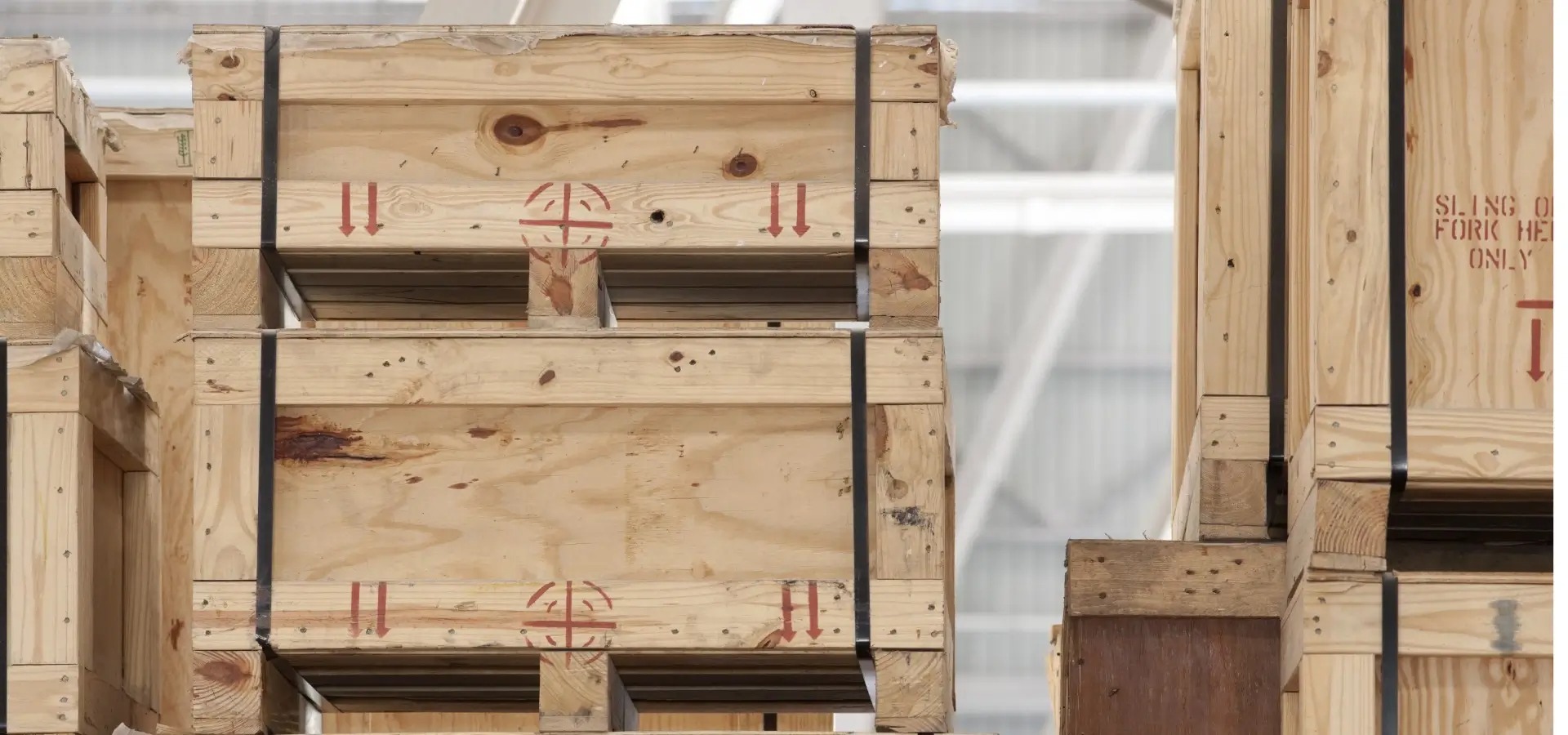
The Skid (or Skidboard): A skid has a top deck but no bottom deck. It rests on vertical legs or stringers (runners). Because it lacks the bottom planks, the weight rests directly on the stringers.
2. The Wooden Pallet: The Industry Standard for Stacking
The modern wooden pallet is designed for stability and high-volume storage.
Why choose a Pallet?
Rackable: Because they have a bottom deck, pallets can be safely placed on open-span warehouse racking. The bottom boards distribute the load across the beams.
Stackable: The flat bottom allows you to stack loaded pallets on top of each other without crushing the goods below (provided the load is even).
Stability: They are generally more resistant to twisting under heavy loads.
Best For: General warehousing, distribution centers, and goods that need to be stacked or racked
3. The Timber Skid: The Cost-Effective Alternative
Skids are actually the ancestors of the pallet. They get their name because they were originally designed to be “skidded” or dragged across a floor. While less common in general retail supply chains, they are vital for specific industrial applications.
Why choose a Skid?
Cost: With fewer timber components (no bottom deck), skids are generally cheaper to manufacture.
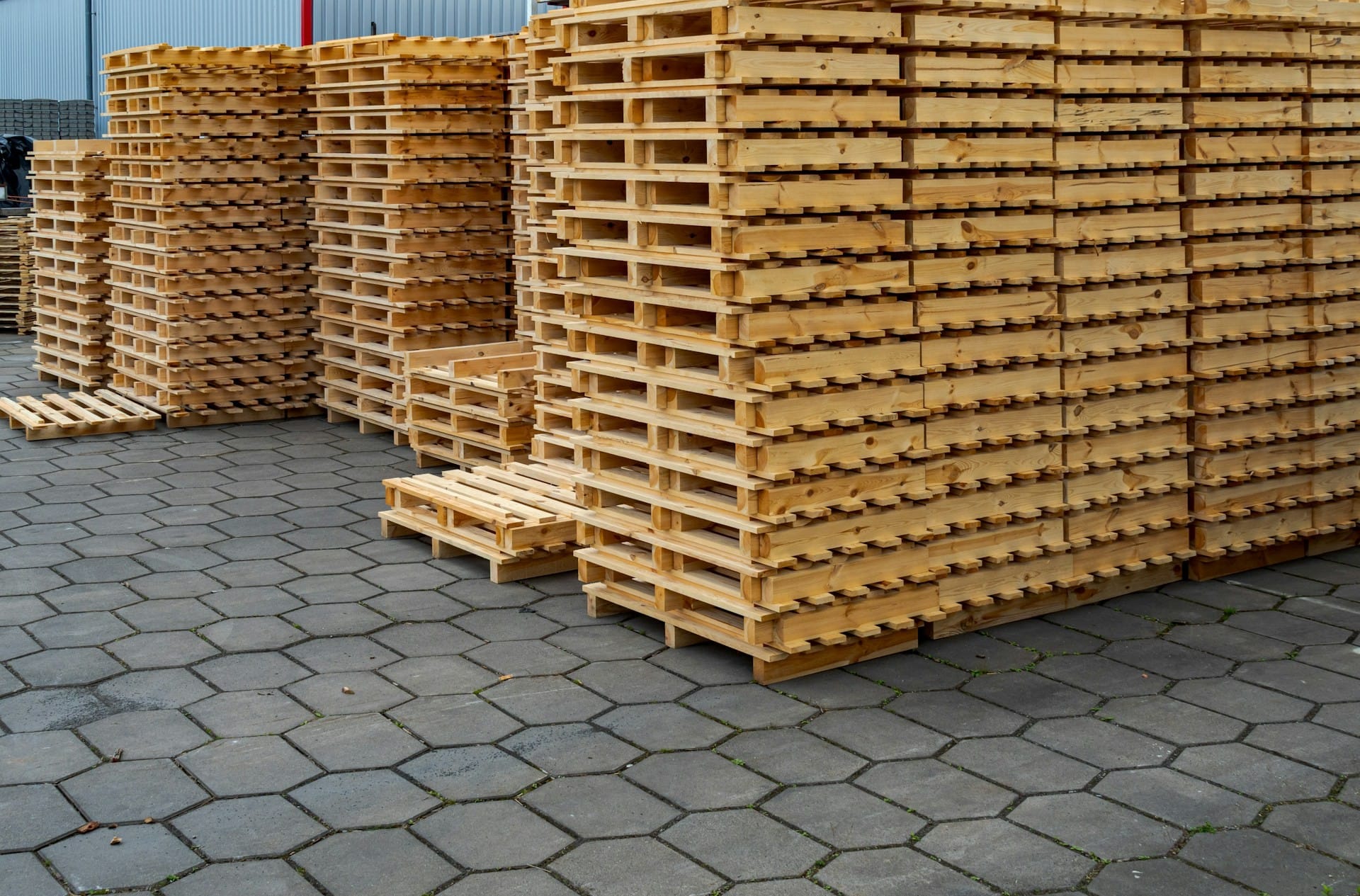
Nesting: Empty skids can often be “nested” (stacked inside one another), taking up significantly less space in your warehouse than empty pallets.
Mobility: They are excellent for heavy machinery or equipment that stays on the floor and does not need to be racked.
Friction: Because they rest on runners, they have high friction, making them less likely to slide around in a truck, but harder to push along a floor.
Best For: Heavy machinery transport, temporary storage, and export items that will not be racked at their destination.
4. Which One Is Right for You?
When ordering from Arminel Industries, ask yourself these three questions:
Will this be stored in racking?
Yes: You need a Wooden Pallet. Putting a skid on standard racking is dangerous as it can slip between the beams.
Is the cargo a heavy, standalone machine?
Yes: A Timber Skid is often the better, more economical choice.
Are you exporting bulk goods?
It depends: If you need to maximize container space and the recipient has the right equipment, skids (often called “export skids” in this context) can save on weight and volume.
Conclusion
Whether you need the racking stability of a 4-way entry pallet or the economical utility of a custom skidboard, getting the foundation right is the first step in safe logistics.
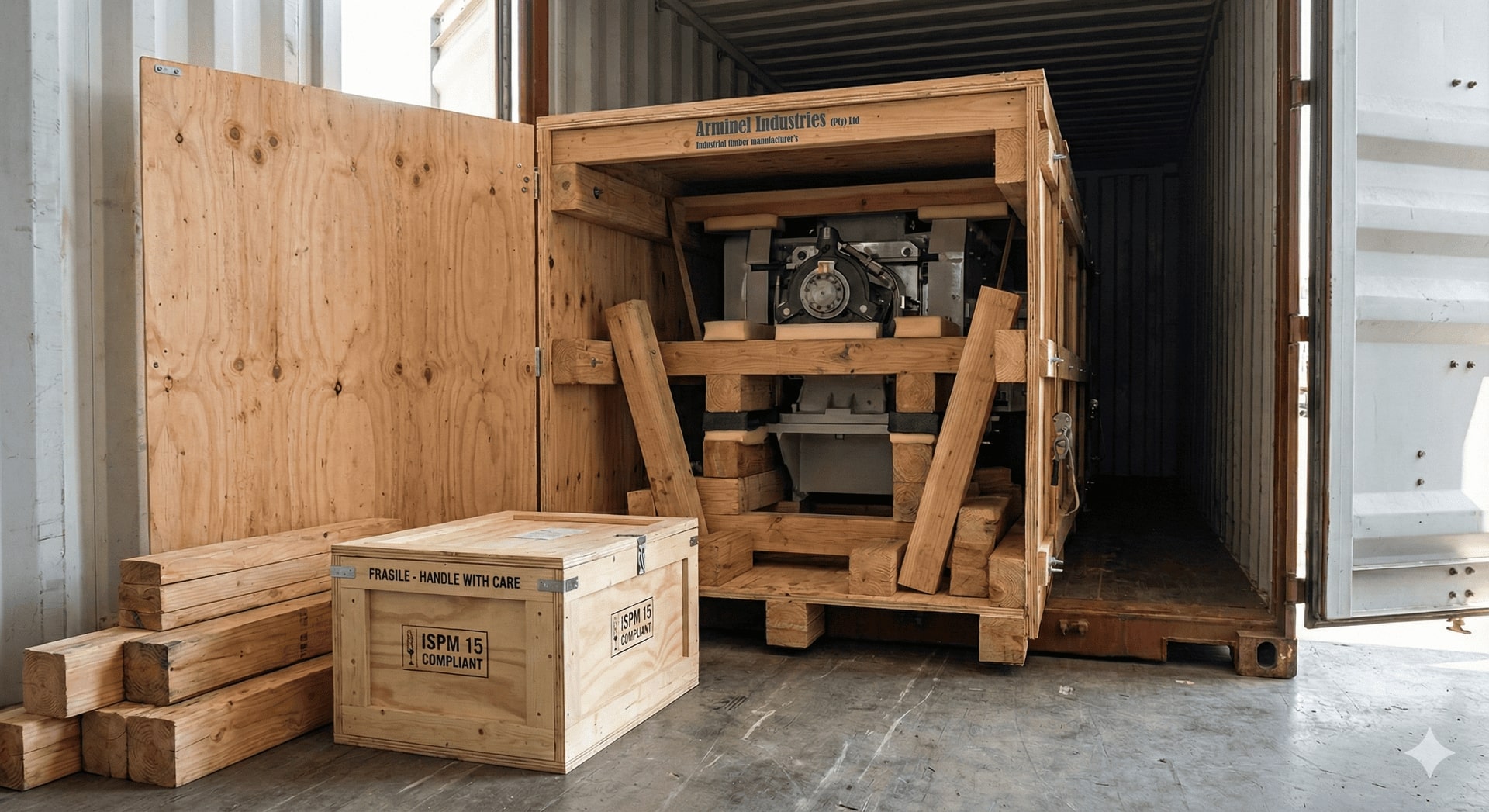
Arminel Industries specialises in manufacturing both options to export-grade standards (ISPM 15 compliant).
Not sure which platform fits your supply chain?
Contact us today and our team will help you spec the perfect solution for your load.