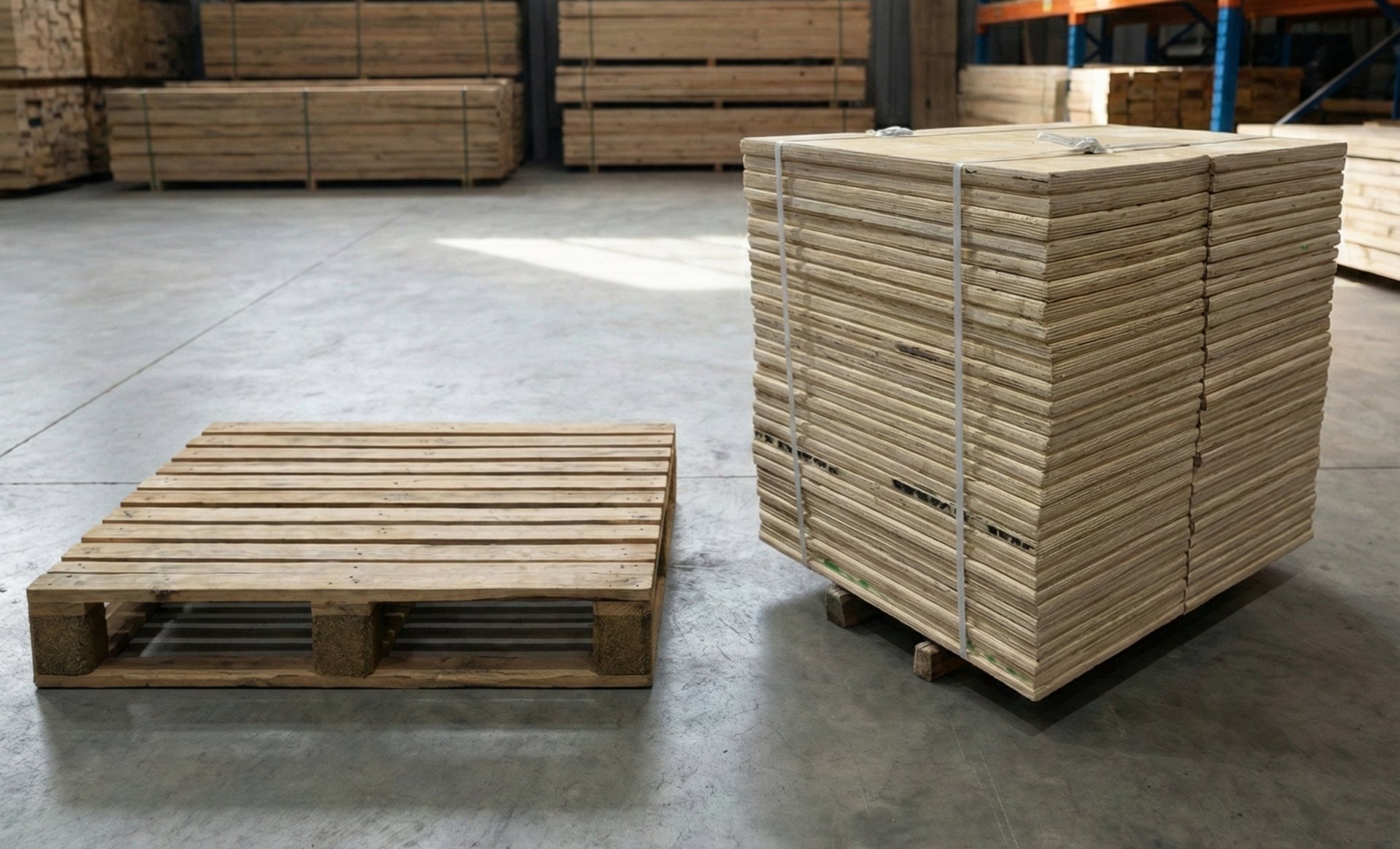
Wooden pallets remain one of the most widely used load-bearing platforms in logistics, warehousing, manufacturing, and distribution. Their strength-to-cost ratio, ease of handling, and repairability make them a practical choice for businesses moving goods at scale. However, without structured maintenance, even high-quality pallets degrade faster than expected, increasing operational costs and disrupting supply flow.
Across many South African supply chains, especially those using heavy-duty wooden pallets in Gauteng, pallet lifespan has a direct impact on transport efficiency and warehouse safety. Poor maintenance often leads to preventable breakages, product damage, and higher replacement costs due to frequent repurchasing.
A proactive maintenance system allows companies to extend the usable life of each unit significantly. Whether an operation regularly purchases wooden pallets for sale or manages an internal reuse pool, understanding inspection methods, repair standards, and replacement timing is essential for cost control and reliability.
Why Wooden Pallet Maintenance Matters
Pallet maintenance is not simply about fixing broken boards; it is a structured process that supports safety, efficiency, and cost reduction across the supply chain. Wooden pallets experience repeated mechanical stress from forklifts, stacking pressure, and long-distance transport vibration.
One of the most immediate benefits of maintenance is reduced procurement cost. Businesses that frequently source pallets often underestimate how quickly replacement expenses accumulate. Extending the lifespan of existing pallets reduces purchasing frequency and stabilizes operational budgets.
Safety is equally important. A weakened pallet can collapse under load, causing injuries, damaged goods, or unstable stacking systems. Regular maintenance reduces these risks significantly by ensuring that structural components remain sound.
Environmental impact is another consideration. Repairing and reusing pallets reduces timber waste and supports more sustainable material handling practices.
Routine Inspection Process for Wooden Pallets
Regular inspections form the backbone of effective pallet management. Without inspection, damage often goes unnoticed until failure occurs under load.
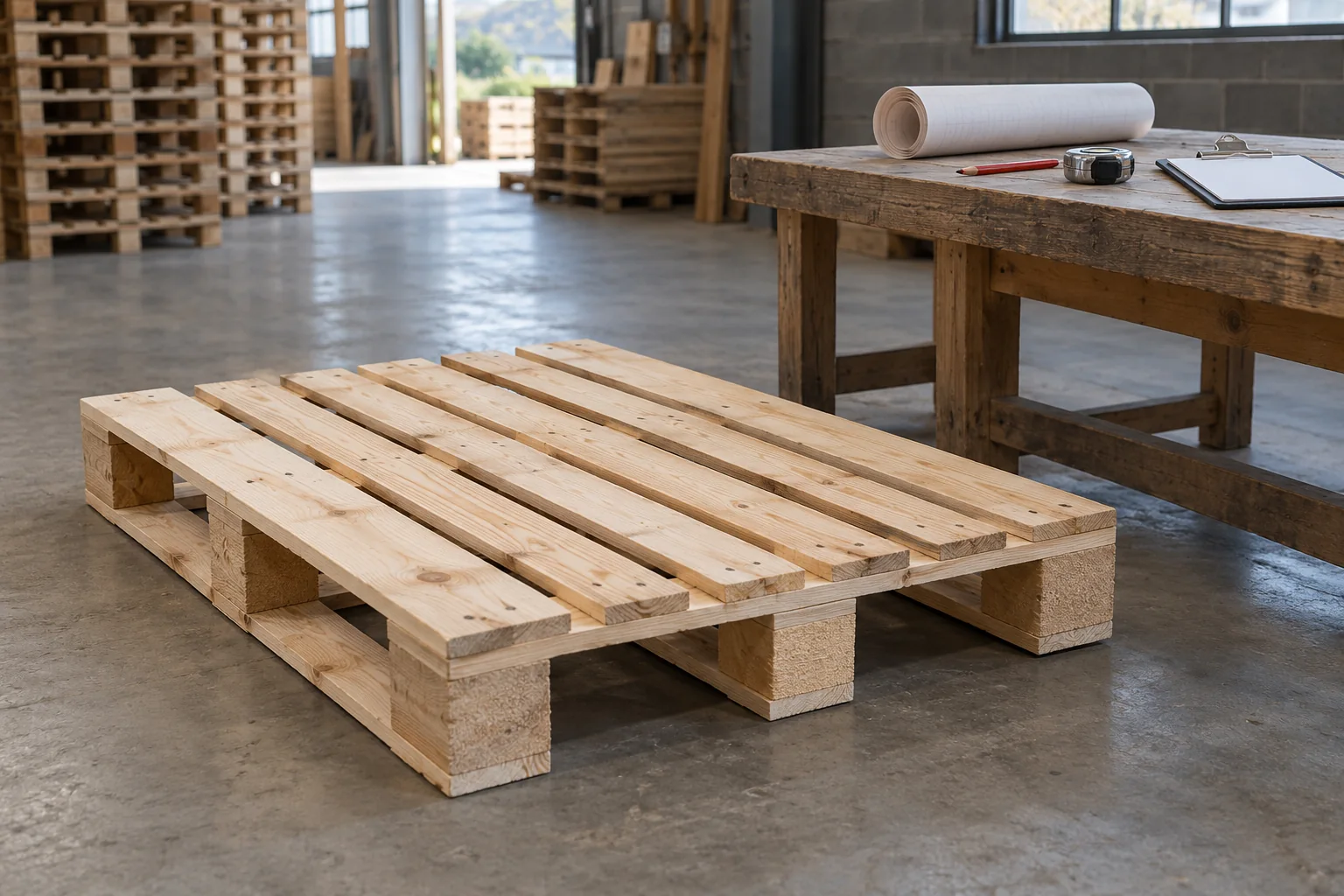
Inspections should always begin with a full visual scan. Operators should look for cracked boards, missing nails, broken stringers, and signs of surface wear. These issues often develop gradually and can be identified early with consistent checks.
Structural stability should then be assessed by lifting or lightly rocking the pallet. Excessive flexing or uneven support usually indicates internal weakening.
Moisture damage is another key concern. Exposure to rain, damp floors, or humid storage conditions can lead to swelling, mold, or rot, all of which weaken load-bearing capacity.
Fasteners must also be checked. Loose or protruding nails can create safety hazards and reduce structural integrity, especially in high-turnover environments where pallets are constantly moved and reused.
A consistent inspection schedule improves reliability and reduces unexpected breakages in operations that rely heavily on heavy duty wooden pallets Gauteng warehouses use daily. It also is important to make sure you have the correct use case. If you’re unsure, see the difference between pallets and skids.
Common Wooden Pallet Damage Types
Understanding typical failure patterns helps maintenance teams prioritize repairs effectively.
Common damage types include:
- Cracked or split deck boards caused by impact or overloading
- Loose or missing fasteners due to vibration and repeated handling
- Broken or weakened stringers affecting load-bearing strength
- Surface splintering that creates safety risks for workers and goods
- Warping from uneven moisture exposure or poor storage conditions
- Rot or decay resulting from prolonged damp environments
Each type of damage affects pallet performance differently. While some issues are cosmetic or minor, others directly compromise safety and load capacity.
Step-by-Step Pallet Repair Process
Repairing wooden pallets correctly requires both technique and consistency. Poor repairs can reduce structural reliability and shorten pallet lifespan.
Numbered repair workflow:
- Initial assessment
Identify whether the pallet is repairable by checking stringers, deck boards, and fastener integrity. - Remove damaged components
Extract broken or split boards carefully using appropriate tools to avoid further wood damage. - Replace structural elements
Fit new boards or components using compatible wood types and dimensions to maintain balance. - Reinforce fasteners
Secure all joints with nails or screws, ensuring tight fastening without splitting the wood. - Inspect load stability
Test the repaired pallet for balance, flex resistance, and overall structural alignment. - Finish and smooth surfaces
Remove splinters or rough edges to improve handling safety and prevent packaging damage.
This process ensures pallets remain safe for reuse in environments where pallets are rotated frequently through warehouse systems.
Repair Techniques Used in Industrial Maintenance
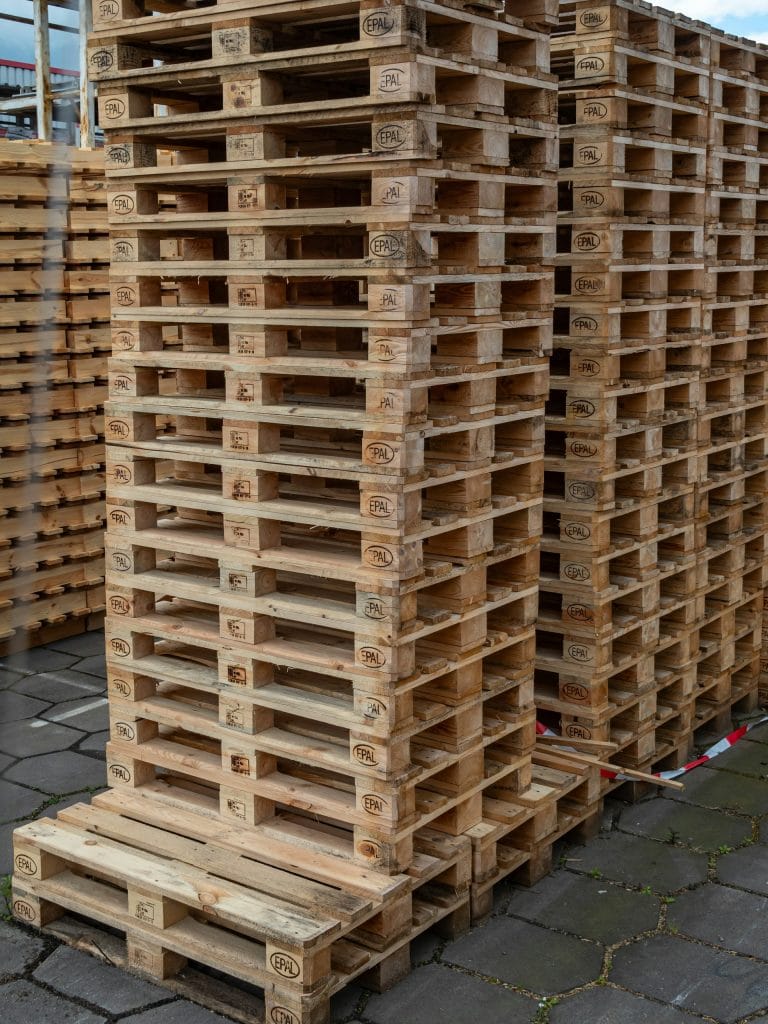
Different repair methods are applied depending on damage severity and pallet usage requirements.
Minor issues such as loose boards are often resolved through re-nailing or screw reinforcement. This is one of the most cost-effective repair methods and is widely used in high-volume logistics operations.
Deck board replacement is required when surface boards are cracked or split beyond safe use. Replacing individual boards rather than discarding the full pallet significantly reduces waste.
Stringer reinforcement or partial replacement is used for more serious structural damage. Since stringers carry most of the load, these repairs must be done carefully to maintain balance.
Surface finishing is also important. Sanding or trimming rough edges reduces the risk of injury and protects packaged goods from damage during transport.
In regulated industries, repaired pallets may also need to meet heat treatment standards depending on intended shipping routes and compliance requirements.
When to Repair vs Replace Wooden Pallets
Knowing when to repair or replace pallets is essential for maintaining safety and controlling long-term costs. Repair is generally appropriate when damage is limited to non-structural components. Loose boards, minor cracks, or surface wear can often be corrected quickly.
Replacement is necessary when structural integrity is compromised, particularly when stringers are split, severely warped, or weakened by rot. In these cases, repairs may not restore safe load capacity.
A practical evaluation method includes comparing repair cost against replacement cost. If repeated repairs approach the price of sourcing new wooden pallets for sale, replacement becomes more economical.
Usage intensity is also a factor. High-cycle pallets used in fast-paced environments degrade faster and may require earlier retirement than low-use units.
Proper Storage and Handling Practices
Storage conditions have a direct impact on pallet lifespan. Even strong pallets deteriorate quickly if exposed to poor environments.
Key storage guidelines include keeping pallets on dry, level surfaces and avoiding direct ground contact where moisture can be absorbed. Covered storage areas significantly reduce weather-related damage.
Stacking should be even and stable to avoid uneven pressure that can warp boards over time.
Handling practices are equally important. Forklift operators should approach pallets correctly, avoiding angled entry or excessive force that can split boards or loosen fasteners.
Rotation systems can also improve longevity by distributing usage evenly across a pallet pool rather than overusing specific units.
Cost Control and Maintenance Strategy
A structured maintenance system directly reduces operational costs over time. Instead of reacting to damage, businesses benefit from planned inspection and repair cycles.
Key strategies include:
- Implementing regular inspection schedules
- Tracking repair frequency per pallet
- Standardizing pallet designs to simplify maintenance
- Training staff on correct handling procedures
- Reusing repaired pallets in lower-risk applications
- Monitoring lifecycle performance for replacement planning
Operations that rely heavily on pallets often find that lifecycle tracking significantly reduces unexpected replacement costs.
Sourcing Quality Wooden Pallets
Initial pallet quality influences long-term maintenance requirements. Higher-grade pallets generally withstand more cycles before requiring repair.
When evaluating suppliers, businesses should consider wood quality, construction method, and load rating. Stronger construction reduces repair frequency and improves safety margins.
For heavy industrial applications, selecting reinforced models designed for durability is essential, especially in sectors relying on heavy duty wooden pallets Gauteng distribution networks.
Consistency in sourcing also improves maintenance efficiency by ensuring interchangeable parts and predictable repair requirements.
Sustainable Lifecycle Management
A well-managed pallet system extends usability while minimizing waste. Repaired pallets can be reused multiple times before reaching end-of-life status, reducing environmental impact and procurement pressure.
At the end of their lifecycle, pallets can often be repurposed or recycled into secondary wood products. This helps maximize material value while reducing disposal costs.
Sustainability in pallet management is achieved through a combination of maintenance discipline, proper sourcing, and controlled usage practices.
Final Operational Considerations
Effective wooden pallet maintenance is a combination of inspection, repair, handling discipline, and procurement strategy. Businesses that implement structured systems extend pallet lifespan significantly while reducing operational costs.
In high-demand logistics environments where wooden pallets for sale are regularly introduced into circulation, maintenance becomes a key operational control point rather than an optional task.