Dunnage plays an important role in modern shipping, logistics, warehousing, and freight protection. Although it is often overlooked, the materials used to secure cargo can determine whether goods arrive safely or suffer damage during transport. From export shipments to local deliveries, proper cargo support helps prevent unnecessary losses.
Many businesses invest heavily in packaging, containers, and transportation solutions but underestimate the importance of the materials placed around their goods. Understanding how cargo is protected can help companies make smarter decisions about safety, efficiency, and operational costs. This is where the role of wooden dunnage becomes particularly relevant, as it remains one of the most widely used solutions for stabilising heavy and irregular loads.
Choosing the right type of dunnage depends on factors such as the weight of the cargo, transport method, storage conditions, and industry requirements. While some companies may view dunnage as an additional expense, it often acts as a practical investment that reduces the risk of damaged products, delays, and expensive replacements.
Understanding what dunnage is and why it matters
Dunnage refers to materials used to support, secure, cushion, or protect goods during transportation and storage. It fills empty spaces, prevents movement, and creates a safer environment for cargo while it is being handled.
During shipping, goods can experience sudden movements, vibrations, impacts, and changes in position. Without proper support, even strong packaging may not be enough to prevent damage. Dunnage provides stability by keeping items firmly positioned throughout the journey.
It is used across many industries, including manufacturing, agriculture, construction, automotive, mining, and international trade. Almost any business transporting valuable goods can benefit from a suitable dunnage solution.
Common examples of dunnage materials include:
- Timber blocks, beams, and supports used for heavy cargo
- Inflatable airbags placed between goods to prevent shifting
- Foam and cushioning materials for fragile items
- Plastic separators and protective inserts
- Steel supports for specialised industrial applications
- Cardboard-based protective materials for lighter products
The main purpose of dunnage is not simply to fill space. It is designed to manage movement, distribute weight, and reduce pressure points that could compromise the condition of goods.
Why cargo protection is essential during transport
Goods rarely remain completely still during transportation. Whether cargo is moved by truck, rail, ship, or aircraft, it is exposed to forces that can affect its condition.
Road transportation can involve sudden braking, sharp turns, uneven surfaces, and acceleration. Ocean freight introduces additional challenges, including constant movement caused by waves and handling during loading and unloading. Even warehouse operations can create risks when forklifts, cranes, and other equipment are involved.
Poorly secured cargo can lead to several problems, including:
- Damaged products requiring replacement or repair
- Increased insurance claims
- Customer dissatisfaction caused by delivery issues
- Delays caused by repacking or inspections
- Safety risks for workers handling unstable loads
For businesses, preventing these problems is usually more cost-effective than dealing with the consequences afterwards. A relatively small investment in proper cargo protection can help preserve product quality and maintain reliable delivery schedules.
Different types of dunnage used in logistics
Dunnage comes in many forms, and the right choice depends on the type of goods being transported. There is no single solution that works for every shipment. Heavy industrial equipment may require strong support structures capable of handling significant weight. Fragile products may need softer materials designed to absorb impact and prevent scratches or breakage.
Some of the most common dunnage categories include:
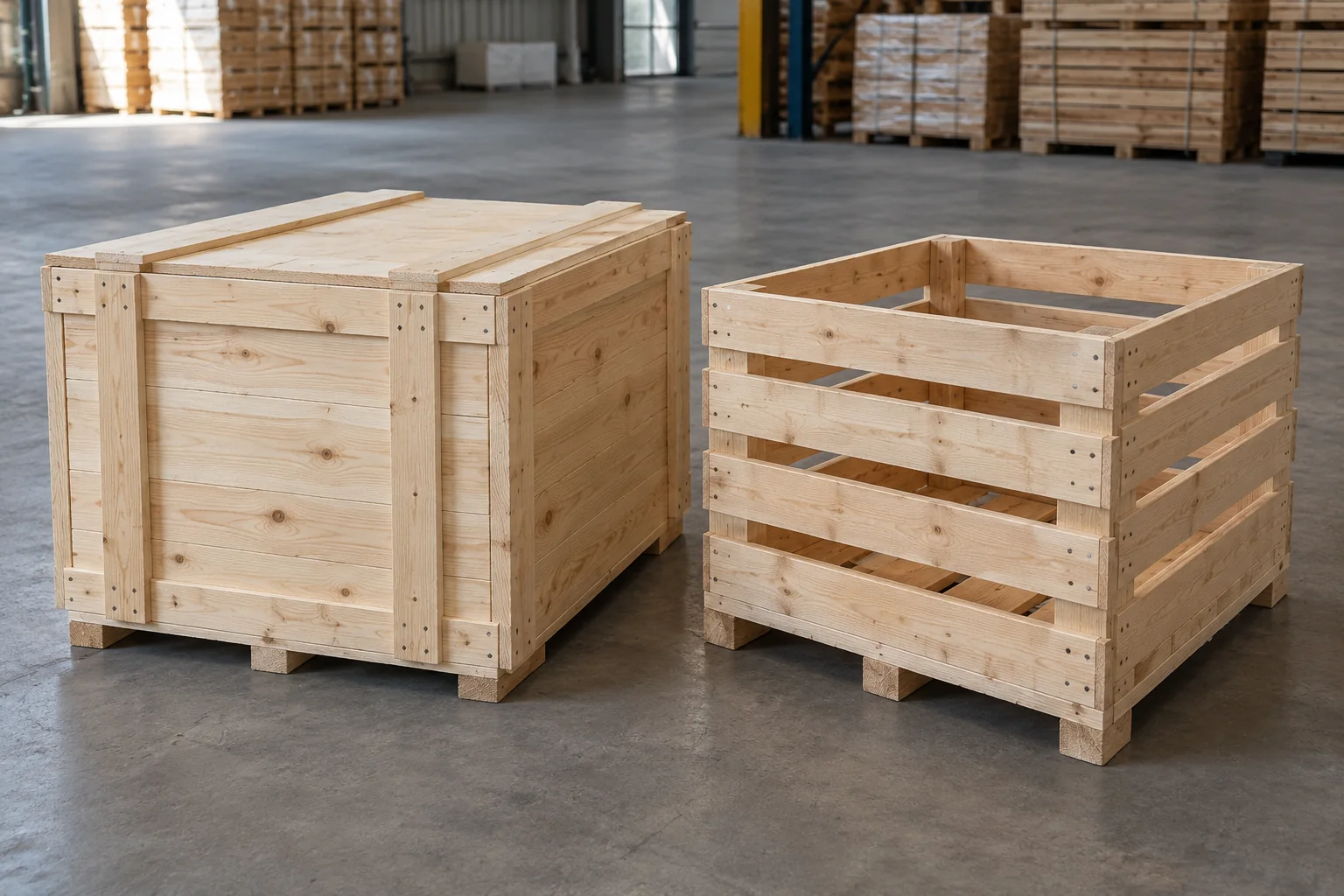
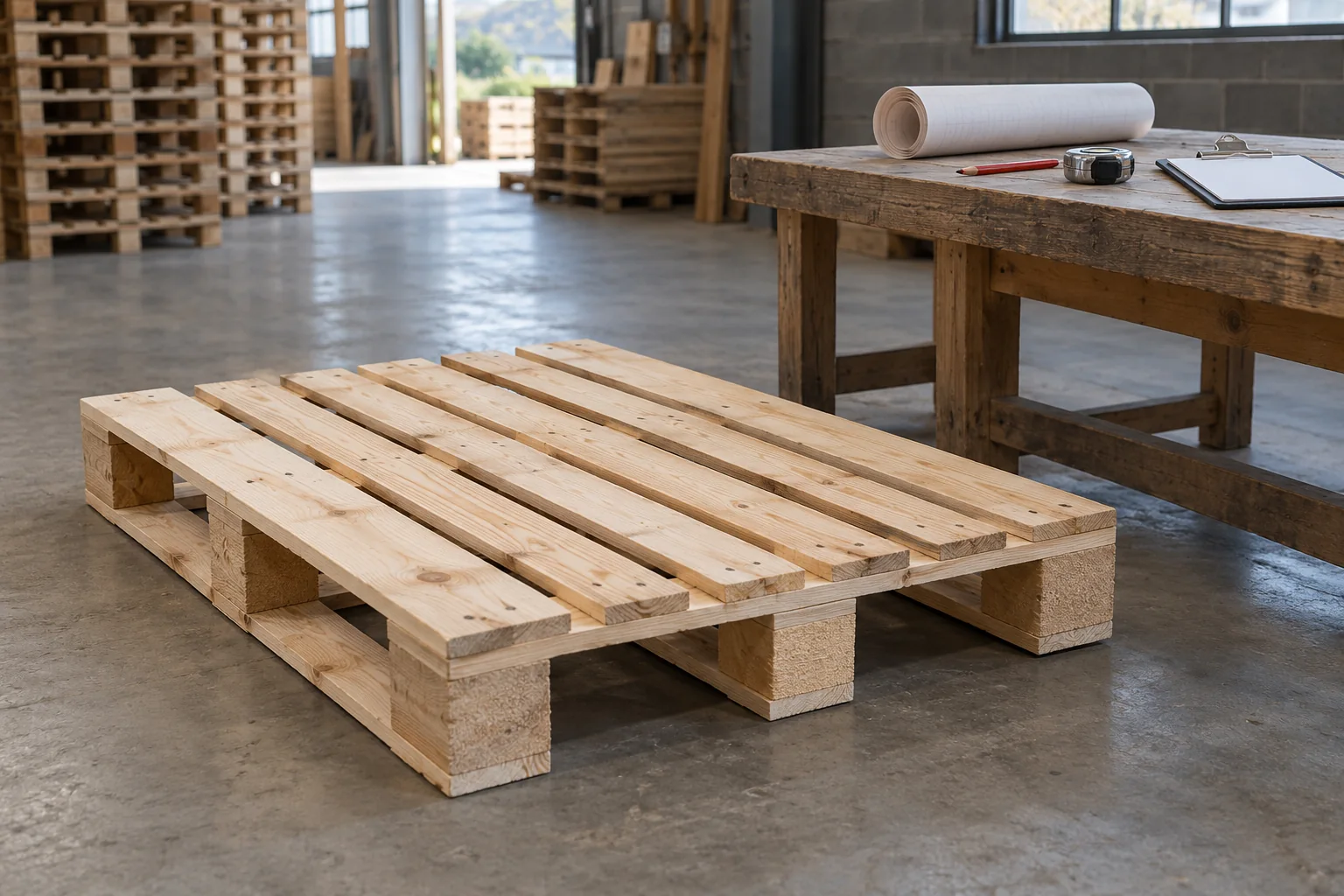
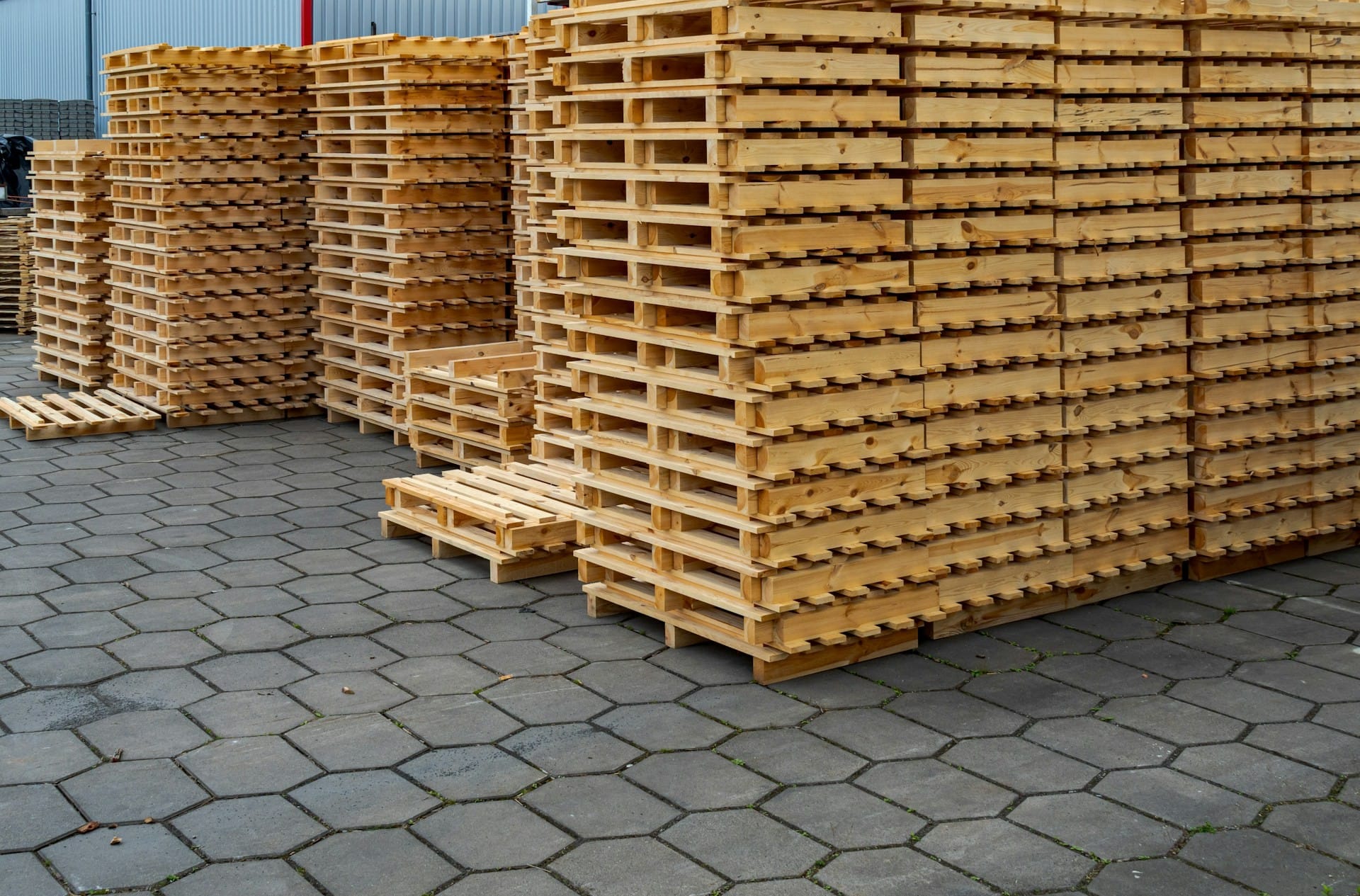
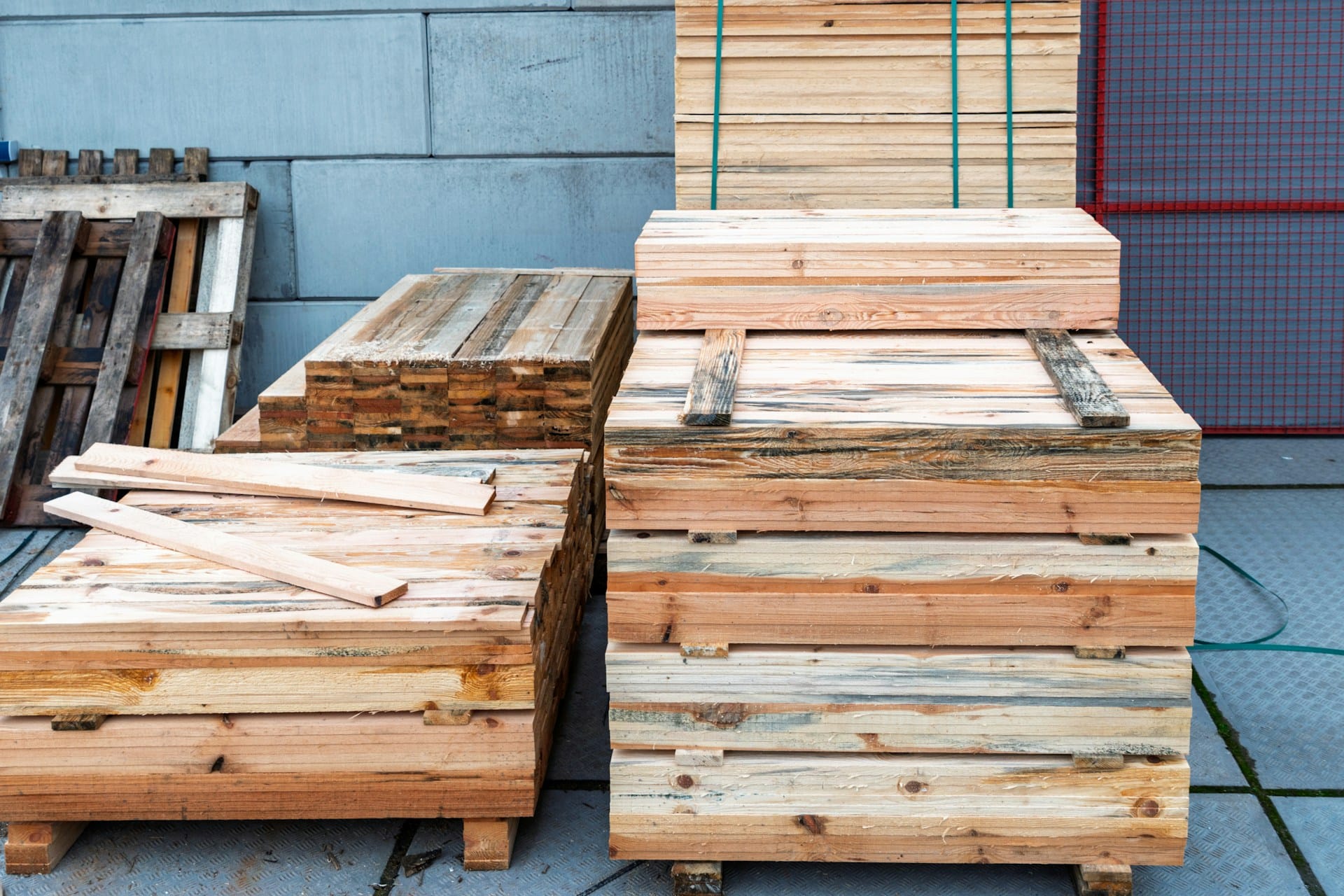
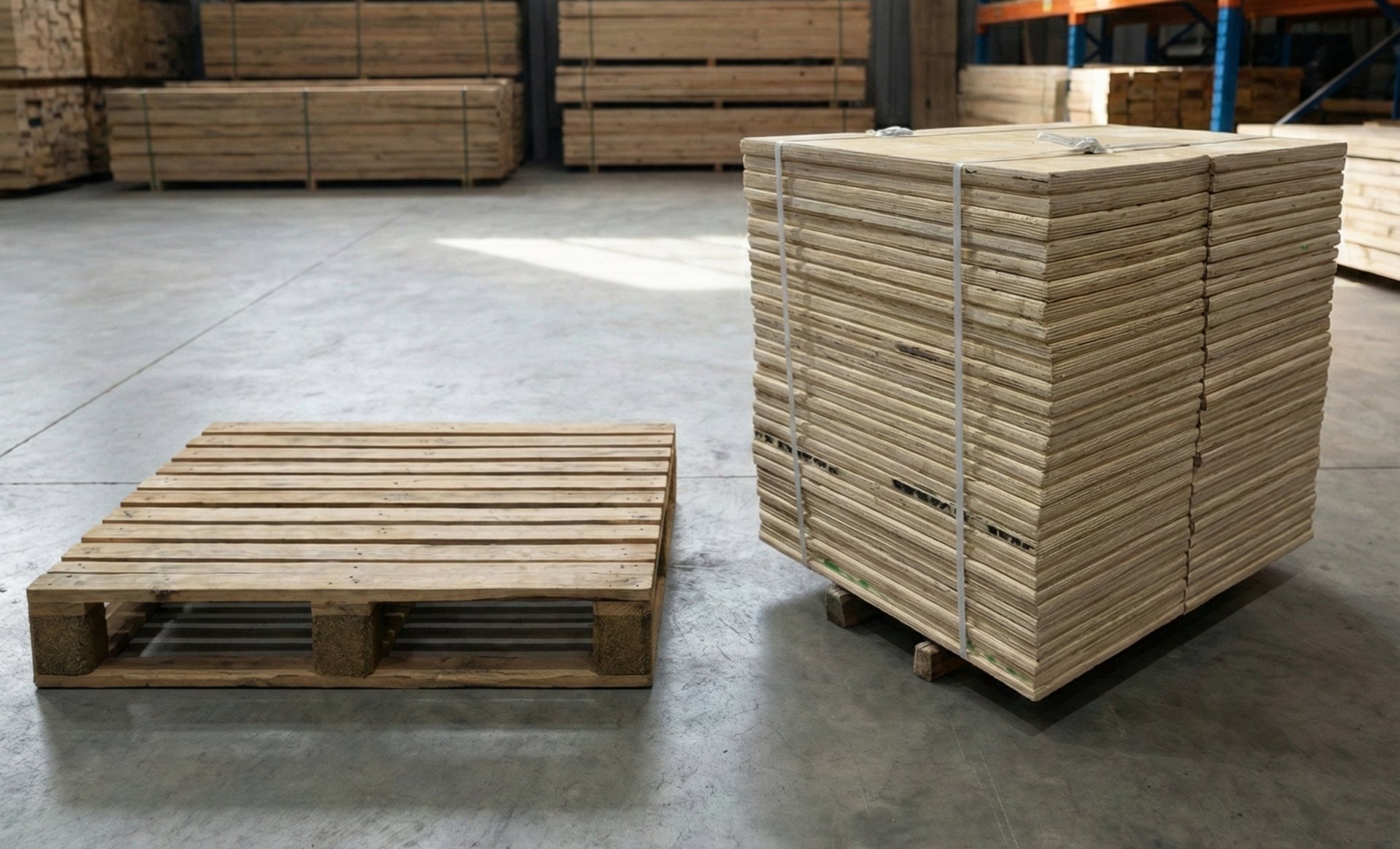
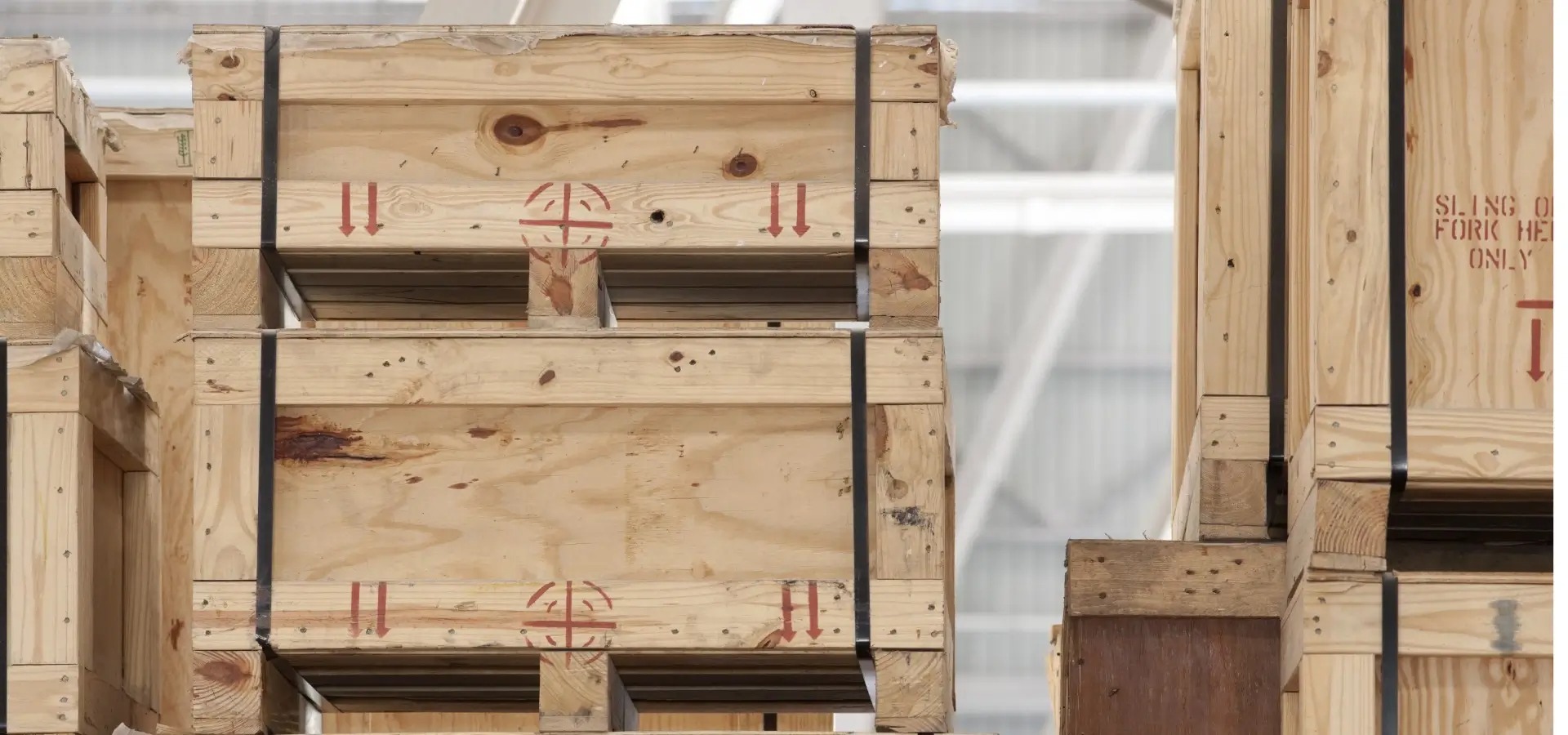
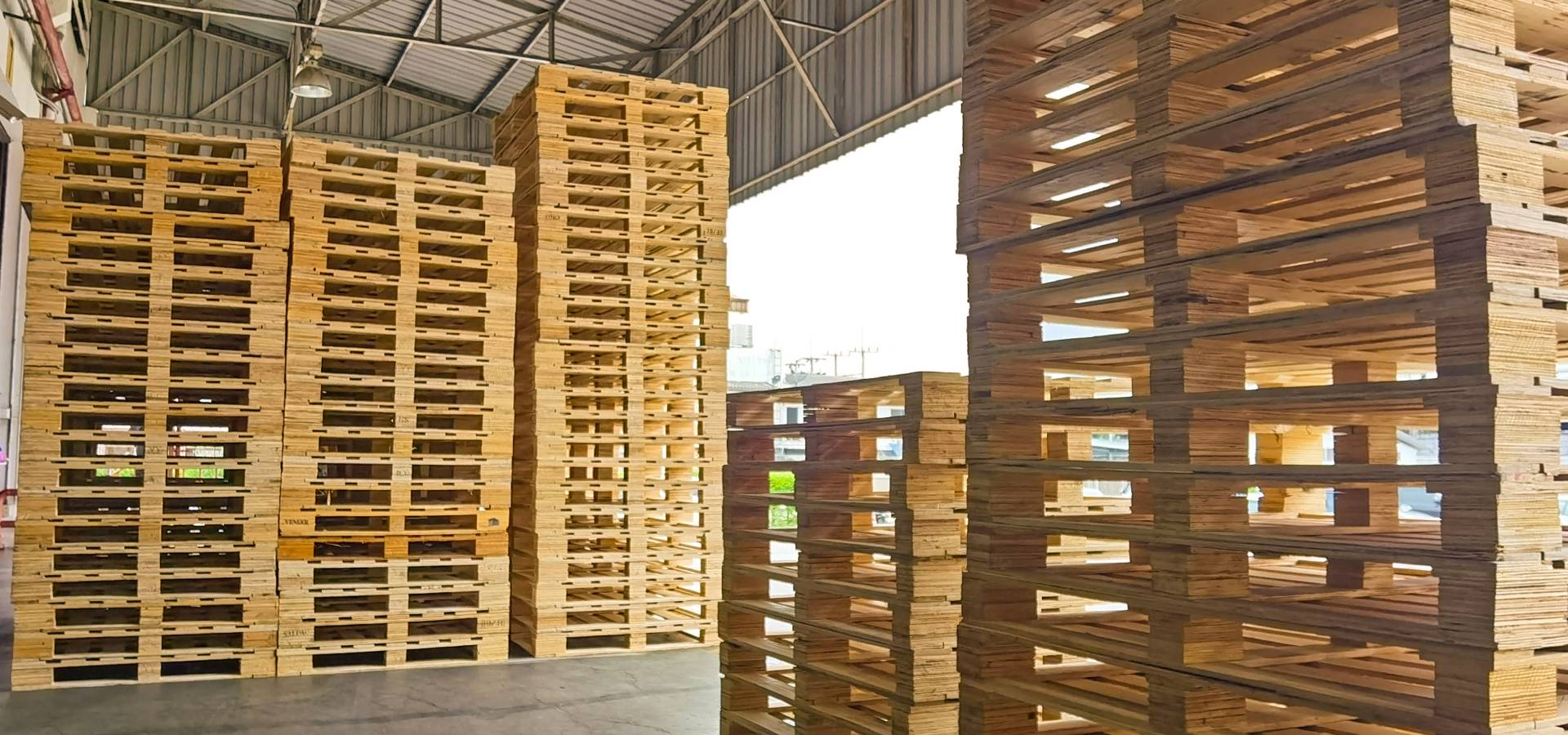
 Timber dunnage is frequently used because it is strong, adaptable, and easy to customise. It can be cut into different shapes to match specific cargo requirements. It is commonly used for machinery, steel products, pallets, and oversized shipments.
Inflatable dunnage bags are popular in container shipping because they can be placed between goods and inflated to create pressure that prevents movement. They are lightweight when stored and easy to install.
Foam-based solutions are often selected for delicate products where surface protection is important. Electronics, glass items, and specialised equipment may require this type of cushioning.
Plastic dunnage provides a reusable option for businesses with regular shipping operations. It can be cleaned, stored, and used repeatedly, making it attractive for companies looking to reduce waste.
The best option depends on the cargo itself, the journey conditions, and how frequently the materials will be used.
The benefits of investing in quality dunnage
Some businesses hesitate to spend money on dunnage because it is not part of the final product delivered to customers. However, the value of proper cargo protection is found in prevention.
Quality dunnage can provide several advantages:
- Reduces the likelihood of damaged goods during transport
- Improves worker safety during loading and unloading
- Helps maintain product presentation and quality
- Supports more efficient packing and shipping processes
- Reduces unnecessary replacement and repair costs
When cargo arrives in good condition, businesses save time and resources. Fewer damaged shipments mean fewer disputes, fewer returns, and better relationships with customers.
Dunnage also improves efficiency. Properly secured loads are easier to inspect, handle, and transport. Employees spend less time correcting packing problems and more time focusing on productive activities.
Is dunnage really worth the investment?
Whether dunnage is worth investing in depends on the value and nature of the goods being transported. For low-value, lightweight items, basic protection may be sufficient. However, businesses moving expensive, heavy, or sensitive products should carefully consider the risks of inadequate protection.
The cost of dunnage is often small compared with the potential financial impact of damaged cargo. A single damaged shipment can result in lost revenue, customer complaints, production interruptions, and additional logistics expenses.
Companies should evaluate:
- The value of the goods being transported
- The distance and method of transportation
- The handling conditions during transit
- The frequency of shipments
- Whether materials can be reused
A company shipping large machinery internationally will have very different requirements from a business sending small retail products locally. The right approach is not necessarily buying the most expensive option but selecting a solution that matches the actual risks involved.
How to choose the right dunnage solution
Selecting suitable dunnage requires an understanding of the cargo and its journey. Businesses should consider the physical characteristics of their products before deciding on materials.
Weight, shape, fragility, and dimensions all influence the type of protection required. A heavy item with an unusual shape may need custom supports, while standardised products may work well with reusable solutions.
Transport conditions also matter. Cargo travelling overseas may require stronger protection than goods moved short distances. Environmental factors such as moisture, temperature changes, and exposure to outdoor conditions should also be considered.
It is helpful to ask the following questions:
- Will the cargo move during transport?
- Could impacts or vibrations affect the goods?
- Is the shipment high value or difficult to replace?
- Are reusable materials a better long-term option?
- Are there industry regulations that affect packaging requirements?
Taking time to assess these factors can prevent companies from choosing unsuitable materials that fail when they are needed most.
The role of wooden solutions in cargo protection
Wood has remained a popular choice for cargo support because it combines strength, flexibility, and availability. It can be shaped into customised supports that fit different loads and transportation requirements.
For many industries, Wooden Dunnage offers a practical balance between cost and performance. It is especially useful for securing heavy items that require strong structural support during handling and movement.
Wooden solutions are commonly used for:
- Supporting machinery and industrial equipment
- Securing large construction materials
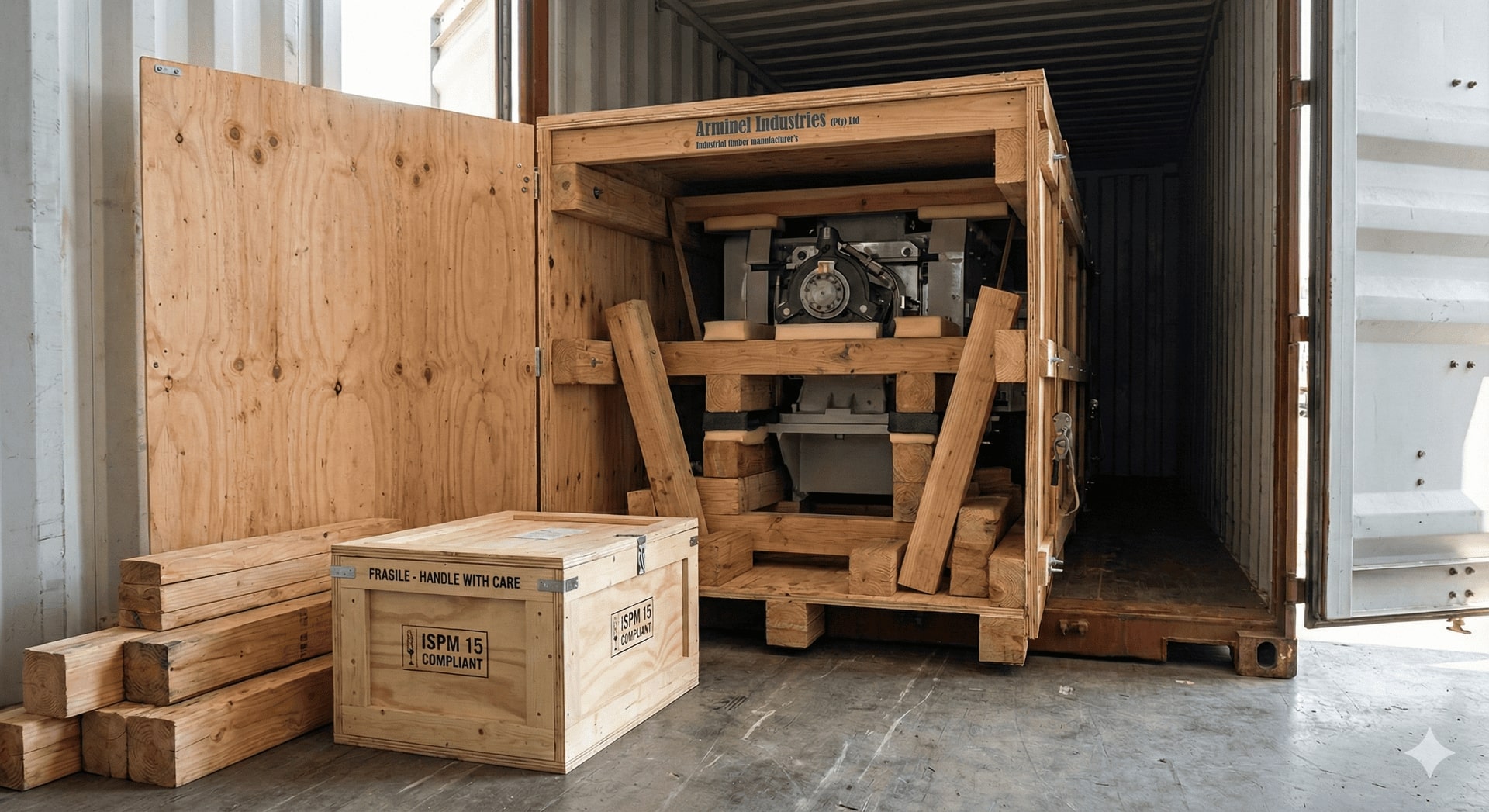
- Stabilising goods inside shipping containers
- Creating separation between stacked products
- Preventing direct contact between cargo and surfaces
Another advantage is adaptability. Wooden components can often be adjusted according to the shipment, making them suitable for a wide range of applications.
However, businesses should also consider factors such as moisture exposure, treatment requirements, and disposal or recycling options. Properly prepared materials are important for meeting shipping standards and ensuring reliable performance.
Common mistakes businesses make with dunnage
Even when companies recognise the importance of cargo protection, mistakes can still occur. Using the wrong materials or applying them incorrectly may reduce their effectiveness.
One common mistake is using too little support. Businesses may attempt to reduce costs by minimising protective materials, but this can increase the chance of movement and damage.
Another issue is failing to consider the entire transportation journey. A solution that works for warehouse storage may not provide enough protection during long-distance shipping.
Other mistakes include:
- Selecting materials that cannot handle the cargo weight
- Ignoring environmental conditions
- Failing to secure empty spaces inside containers
- Reusing damaged dunnage that has lost strength
- Not training staff on correct placement methods
Proper planning is essential. Dunnage works best when it is treated as part of the overall logistics strategy rather than an afterthought.
Improving shipping efficiency through better cargo planning
Effective cargo protection begins before goods are loaded. Planning the arrangement of products, selecting suitable supports, and considering handling requirements can improve the entire shipping process.
Businesses that regularly transport goods should develop consistent procedures for packaging and securing loads. Standard processes reduce errors and make it easier for employees to prepare shipments correctly.
A well-planned approach can help companies:
- Reduce loading times
- Improve space utilisation
- Protect valuable products
- Create safer working conditions
- Minimise avoidable shipping problems
Technology and logistics expertise can also assist with analysing shipment requirements. Companies may review previous damage incidents, transport conditions, and product characteristics to identify areas where improvements are needed.
Making a long-term decision about dunnage investment
Dunnage should be viewed as part of a company’s risk management strategy. The goal is not simply to purchase materials but to create a reliable system that protects goods throughout the supply chain.
Businesses that frequently ship products may benefit from investing in reusable solutions, customised designs, or supplier partnerships. These approaches can reduce long-term costs while improving consistency.
For occasional shipments, simpler options may provide enough protection without unnecessary expense. The key is matching the investment to the level of risk.
Cargo damage is often preventable. By understanding transportation challenges and selecting appropriate protective materials, businesses can improve reliability and reduce unexpected costs.
The decision to invest in dunnage ultimately comes down to understanding the value of what is being transported. When goods represent significant financial or operational importance, proper support and protection are not just additional expenses. They are essential tools for maintaining quality, safety, and customer confidence.